
Heritage on Their Own Account: Creole Social Space in Dominica
How do people give meaning to the places their ancestors made? What role do those practices play in forming a national culture? And what lessons does cultural heritage offer for making sense of a shared present and future?
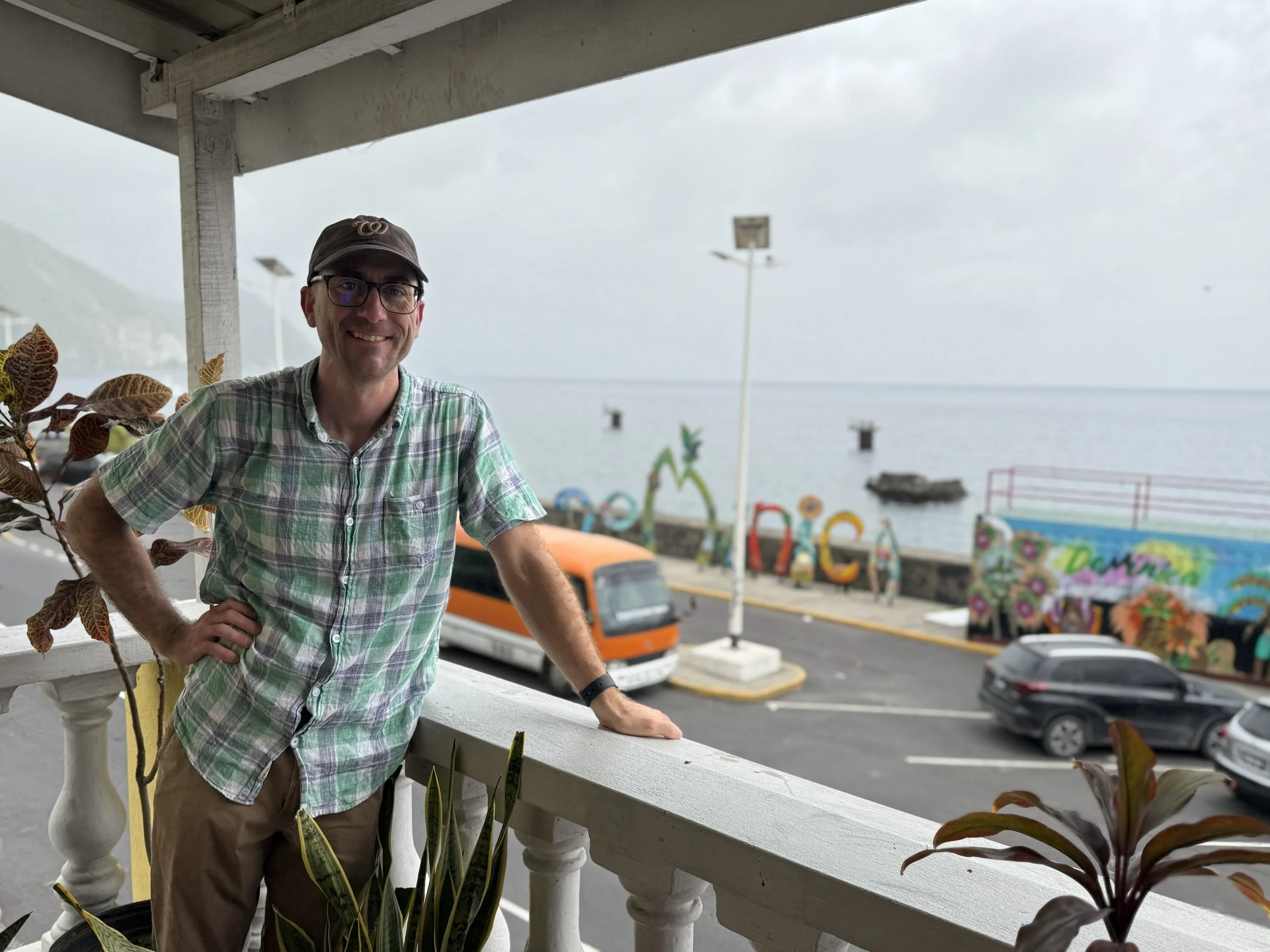
In August 2026, cultural anthropologist Dr. Landon Yarrington led fieldwork in the Commonwealth of Dominica for Applied Heritage and Resource Solutions to explore these questions, combining site visits with ethnographic interviews across a cross section of residents.
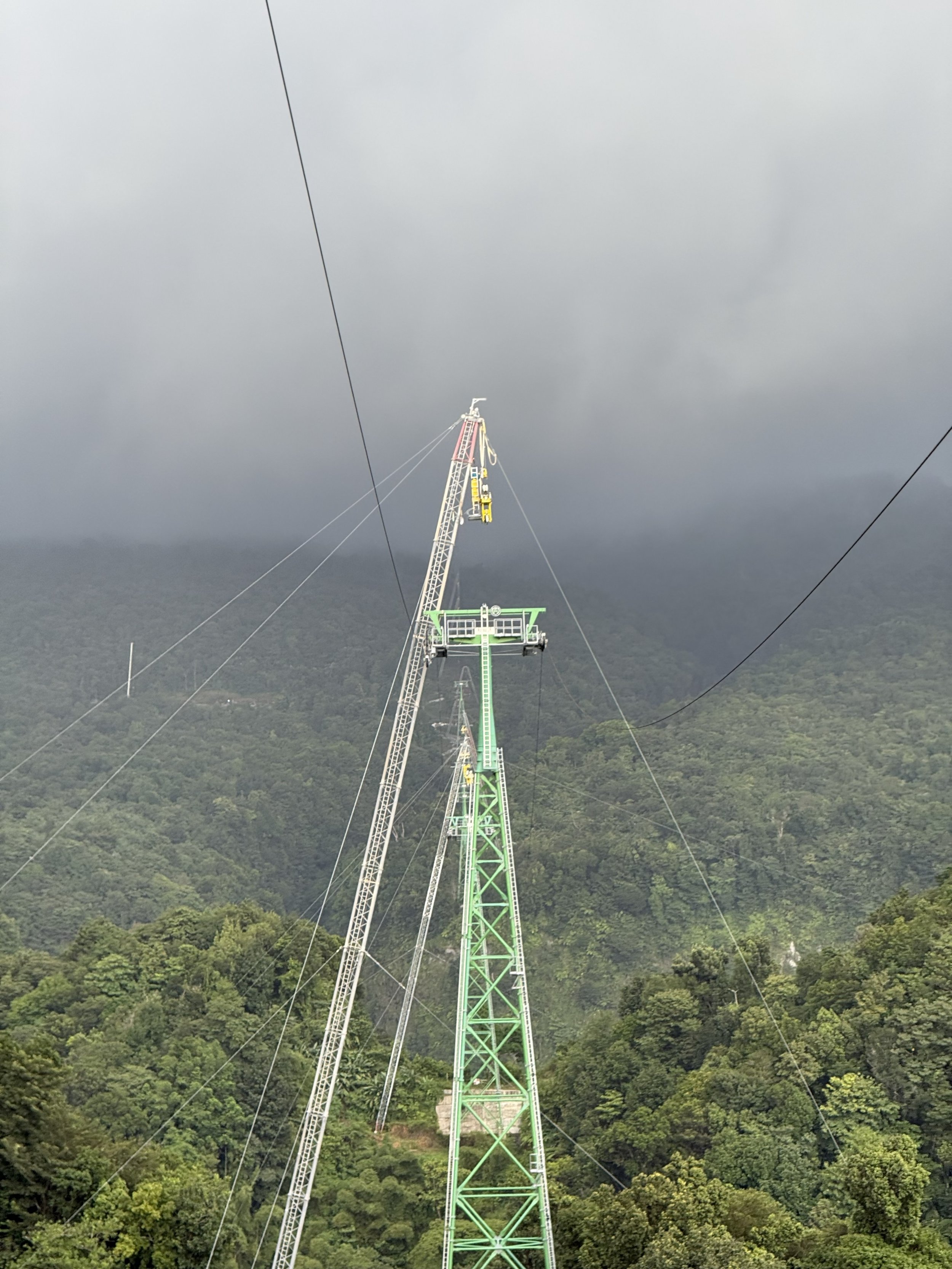
Dominica was among the last places in the Caribbean to be colonized by European powers, gaining independence from Great Britain in 1978. Part of charting a path forward since then has been building a national culture—work reflected in the efforts of the Ministries of Culture, Community Development, Gender Affairs, and other agencies tasked with helping Dominicans lead meaningful lives. The role cultural heritage plays in that process is a question many Dominicans grapple with as they define what sustainable development and growth should look like.
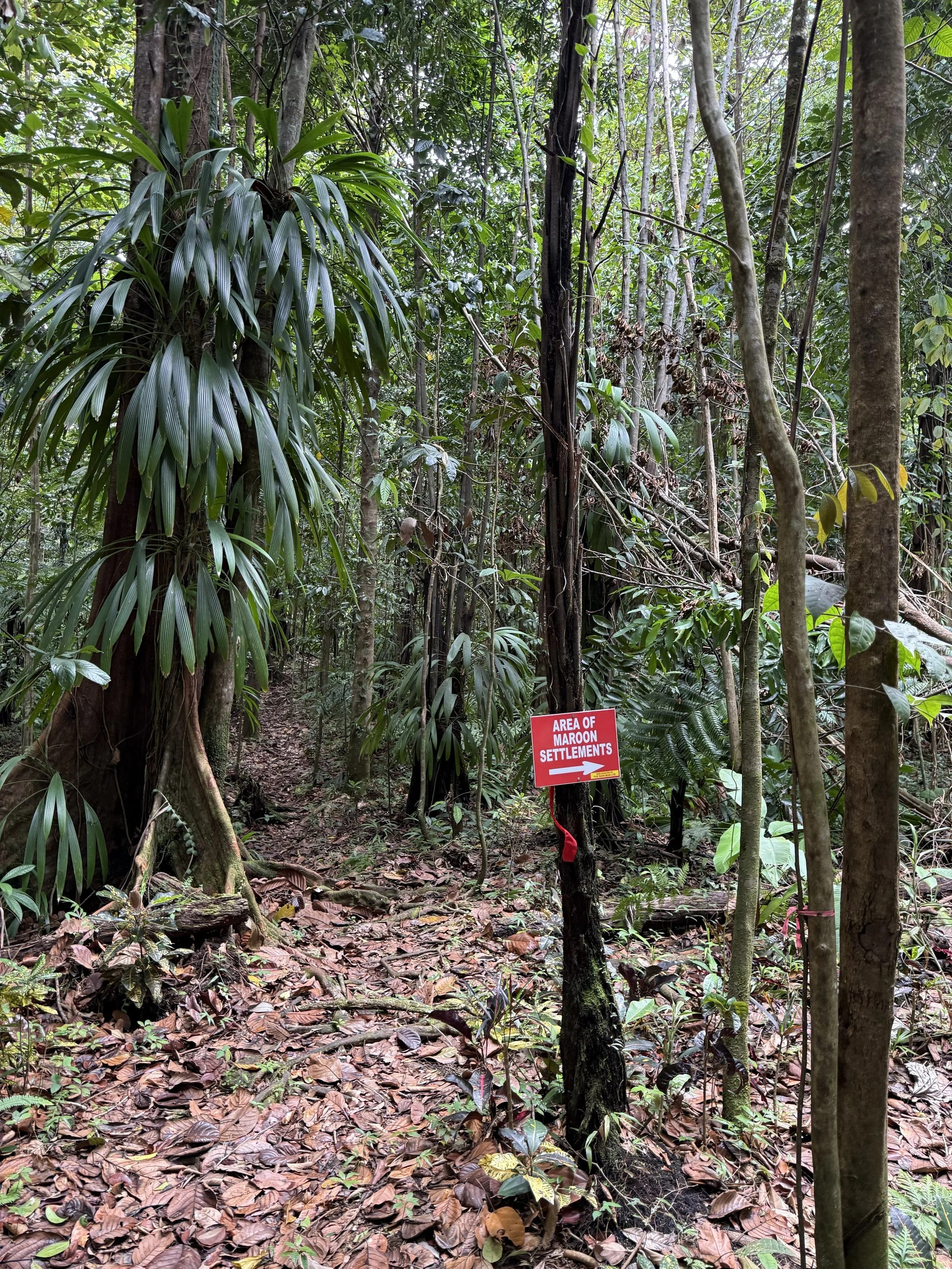
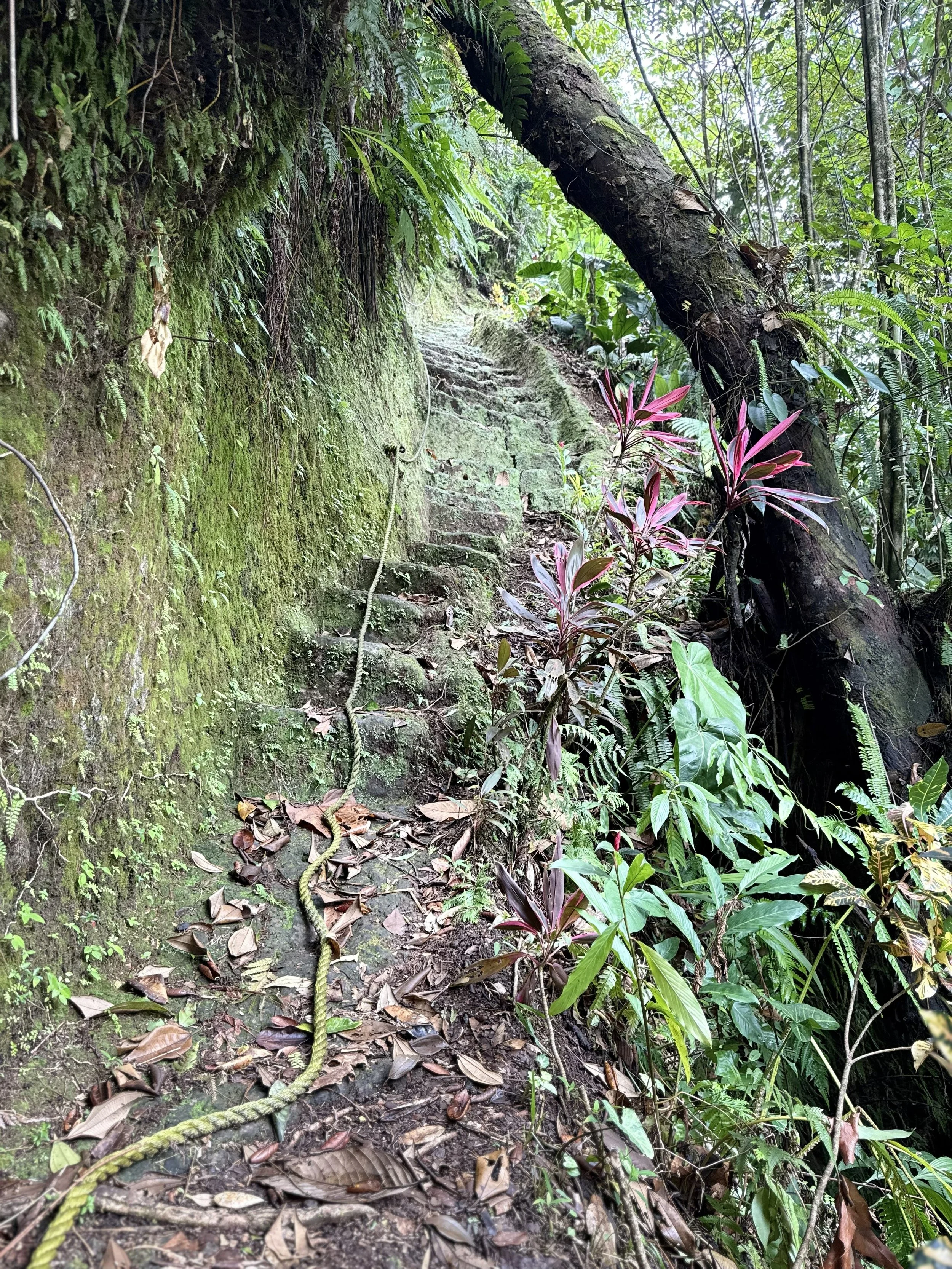
Jacko Steps and Jacko Flats illustrate these issues vividly. Located in the island's central rainforests, these sites once sheltered maroons—fugitive slaves who built settlements in defiance of the plantation economy. Little remains of those settlements today except the steps they carved into the steep volcanic mountainside: more than 100 steps, some rising over 1.5 feet, cut through organized, self-directed labor to sustain and defend their freedom. That same spirit of hard, own-account work echoes today in the people who maintain and keep these paths open. For the research team, this continuity is a key finding: autonomous, self-directed labor is central to creole social space—the physical and symbolic spheres of life that Caribbean people built beyond the reach of colonial control.
By grounding the value of cultural heritage in the values, experiences, and struggles of Dominica's residents, Applied Heritage and Resource Solutions offers insight into how the past shapes the present. This study extends the firm's broader research on creole social space in the Caribbean, with comparative cases in St. John, Barbados, the Bahamas, and Haiti, deepening our understanding of how communities use heritage to negotiate their past and future.
Exploring the Cultural Significance of Tanzania's "Mountain of God"
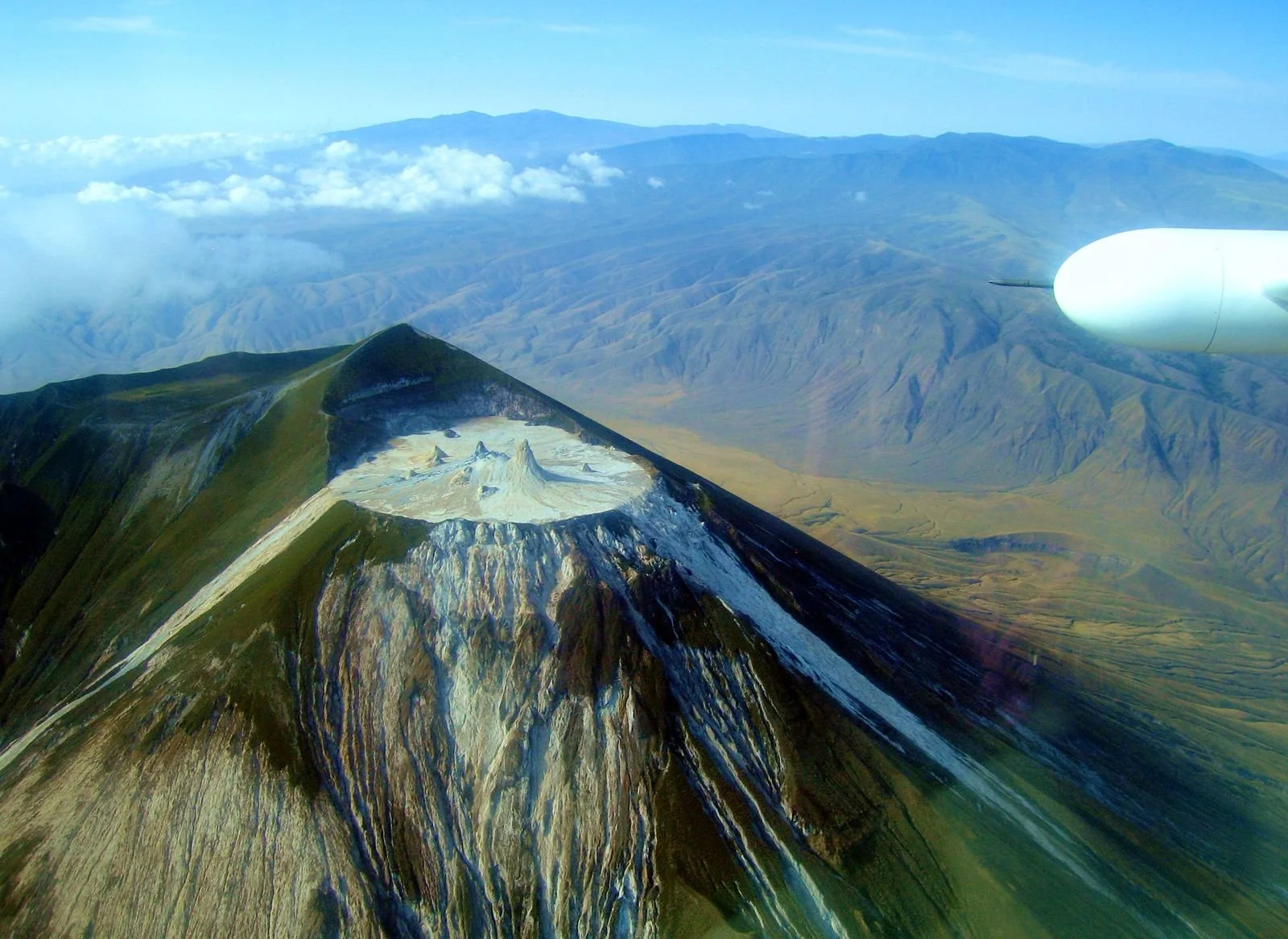
On June 6, cultural anthropologist Simon Larsson traveled to northern Tanzania to begin an ethnographic study for Applied Heritage and Resource Solutions focused on Ol Doinyo Lengai, known in Maasai tradition as the "Mountain of God."
While Ol Doinyo Lengai is internationally recognized as an active volcano, this research seeks to understand the mountain through a broader cultural lens—examining its significance as a place of spiritual meaning, cultural memory, and community identity.
The study explored how Maasai religious traditions, landscape knowledge, and everyday relationships with place connect Ol Doinyo Lengai to enduring concepts of sacred geography, fertility, healing, renewal, and divine presence. By documenting local perspectives and lived experiences, the project was able to record and document the understanding of how communities interpret and steward culturally significant landscapes.
This work built upon Applied Heritage and Resource Solutions' ongoing research into sacred volcanic landscapes, including previous studies at El Malpais in New Mexico, where lava flows, caves, trails, and volcanic formations are closely tied to origin stories, ceremonial practices, collective memory, and stewardship traditions.
Larsson, a Swedish cultural anthropologist with prior experience living and working in Tanzania, was able to bring a strong background in ethnographic research to the project. This marks his first study specifically focused on the relationship between Maasai communities and the cultural significance of volcanic landscapes.
Reflecting on the project, Larsson shared:
"I will explore how Ol Doinyo Lengai figures in Maasai religious expression, landscape knowledge, everyday life, and ideas of fertility, healing, renewal, and divine presence. During the field visit, I will conduct interviews, make site-based observations, and work with local interlocutors and community representatives in the Ol Doinyo Lengai area."
The study culminated in a comprehensive report for Applied Heritage and Resource Solutions, providing practical insights into how cultural knowledge can inform the stewardship and management of significant volcanic landscapes.
Photo Credits:
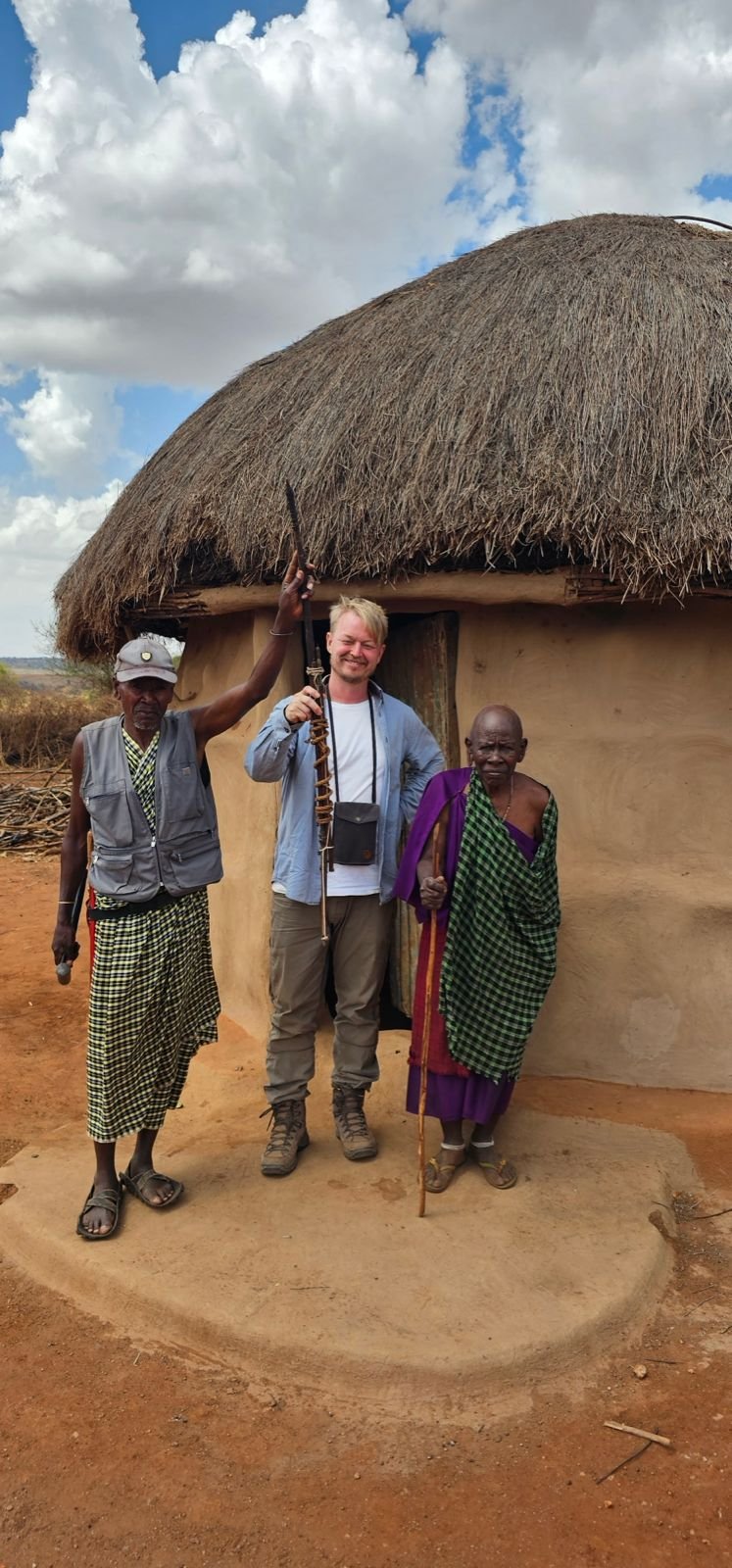
Featured image: Simon Larsson during fieldwork in a Maasai village outside Arusha, Tanzania (November 2025). Photo by Emmanuel Abisalom.
Second image: Summit of Ol Doinyo Lengai prior to the major eruptions of 2007–2008. Photo by William Calvin (CC BY-SA 4.0).
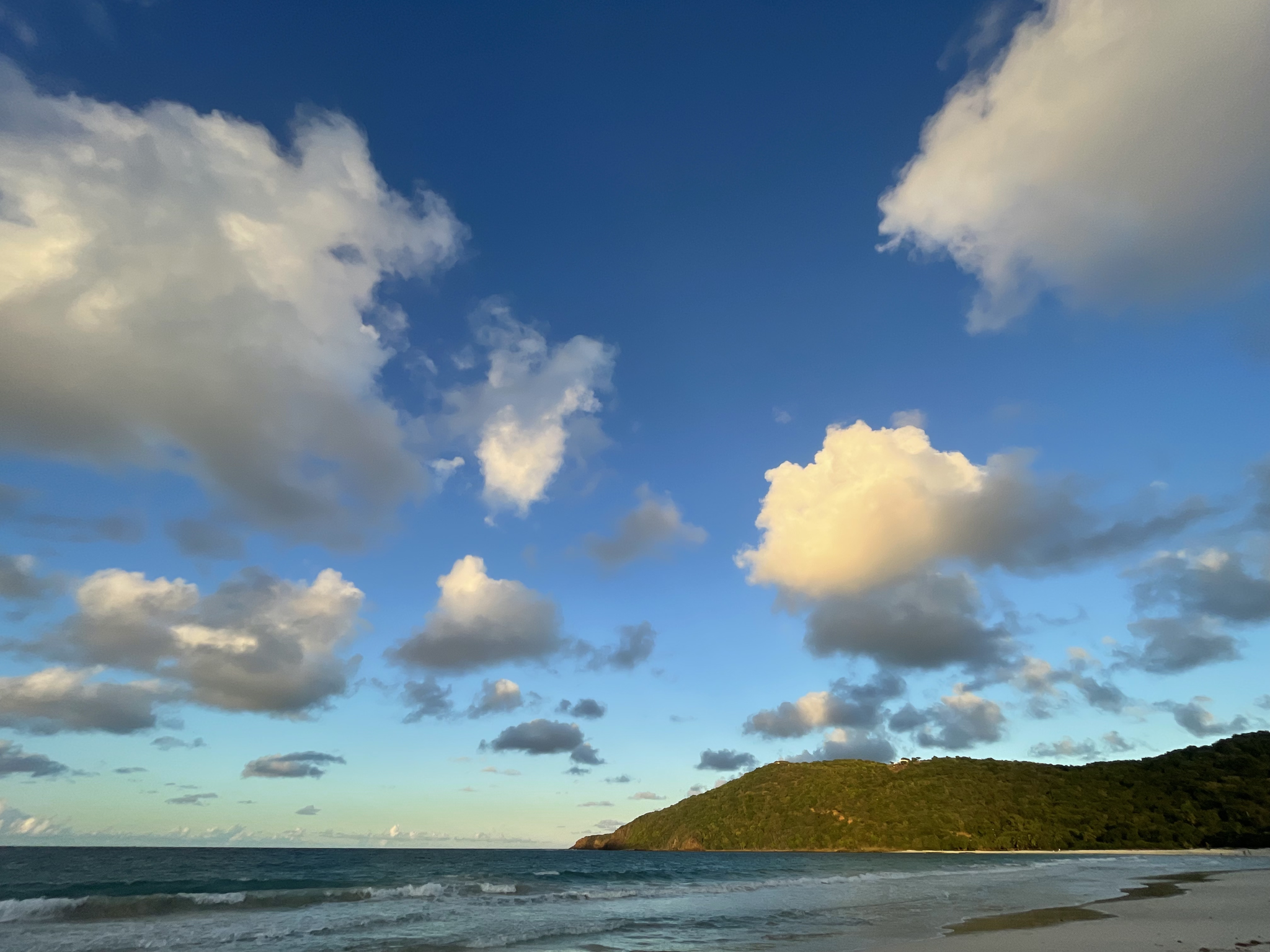
Ethnoecology Habitat Assessment, Culebra, Puerto Rico
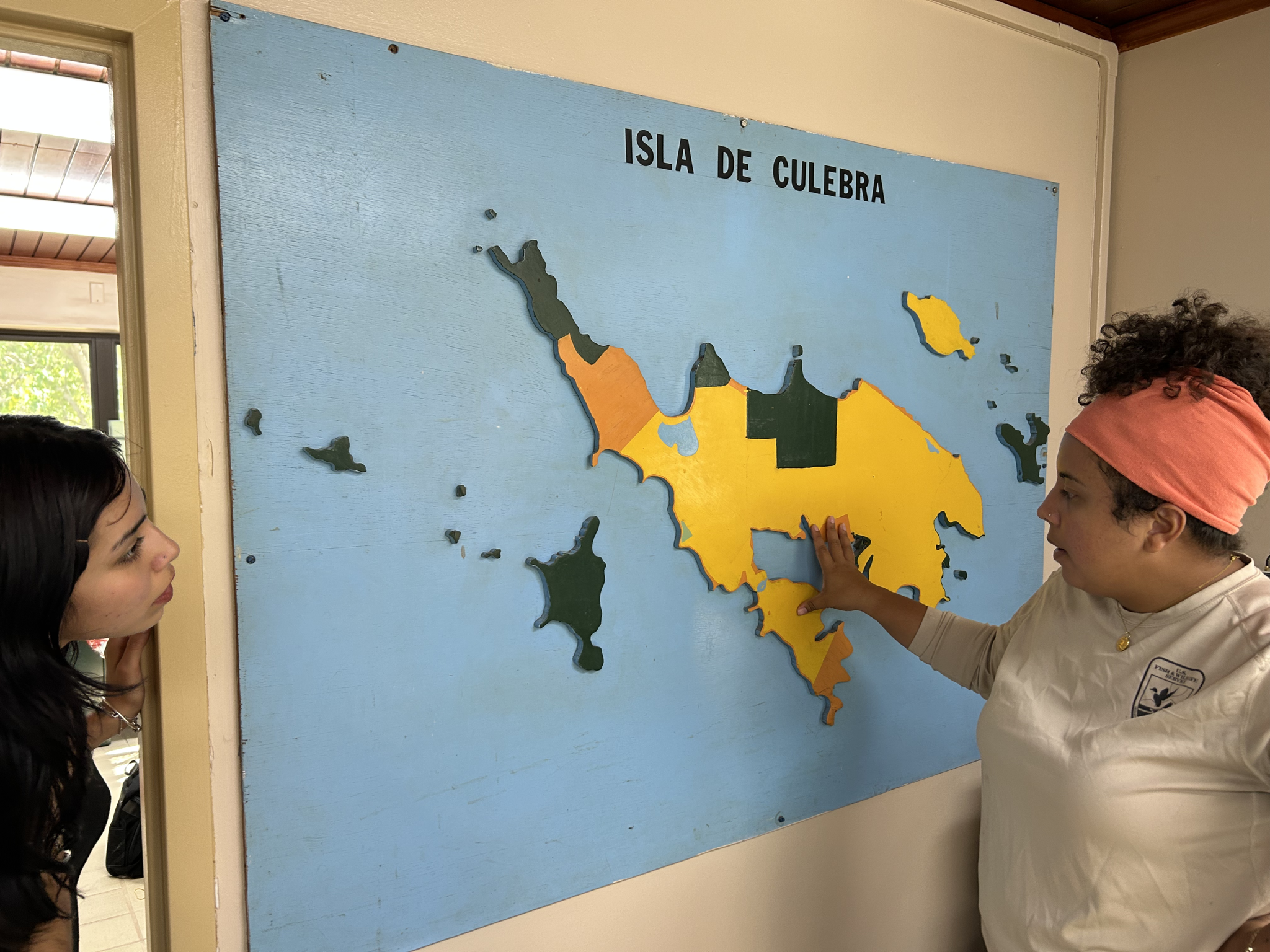
Conducted in January 2026 by Britsy Rizo and Kate Payne, this ethnographic study engaged residents of Culebra, Puerto Rico, in conversations about their experiences and interpretations of the island's landscape—drawing on oral histories and place-based ecological knowledge. Participants discussed a range of habitat types, including lagoons, beaches, mangroves, dry forests, and littoral zones.
Though small in size, Culebra's landscapes reflect ecological and historical processes that have shaped the wider Caribbean Basin, shaped by centuries of interaction among geology, climate, marine processes, human settlement, colonial governance, military occupation, tourism, and conservation efforts. At the same time, residents maintain close, often multigenerational relationships with specific places across the island—relationships that reveal how environmental change is understood not just through scientific indicators, but through everyday observation, memory, practical knowledge, and shifting access to land and sea.
The assessment found that Culebra's cultural and ecological dimensions are deeply intertwined. Rather than treating habitats and social life as separate domains, the study explores how they are mutually shaped through long-term human relationships with place. Participants connected biodiversity and environmental change to livelihood, spirituality, family history, public access, and experiences of loss—perspectives that surface dimensions of habitat change conventional ecological assessments often miss.
Overall, the findings characterize Culebra as a cultural-ecological landscape, where natural and cultural systems are continually shaped by the relationship between people and place. The study underscores the value of incorporating local knowledge, social memory, and cultural experience into how we understand habitat, conservation, and environmental change.
Funded Research Explores Native American Representation in Arizona's National Parks
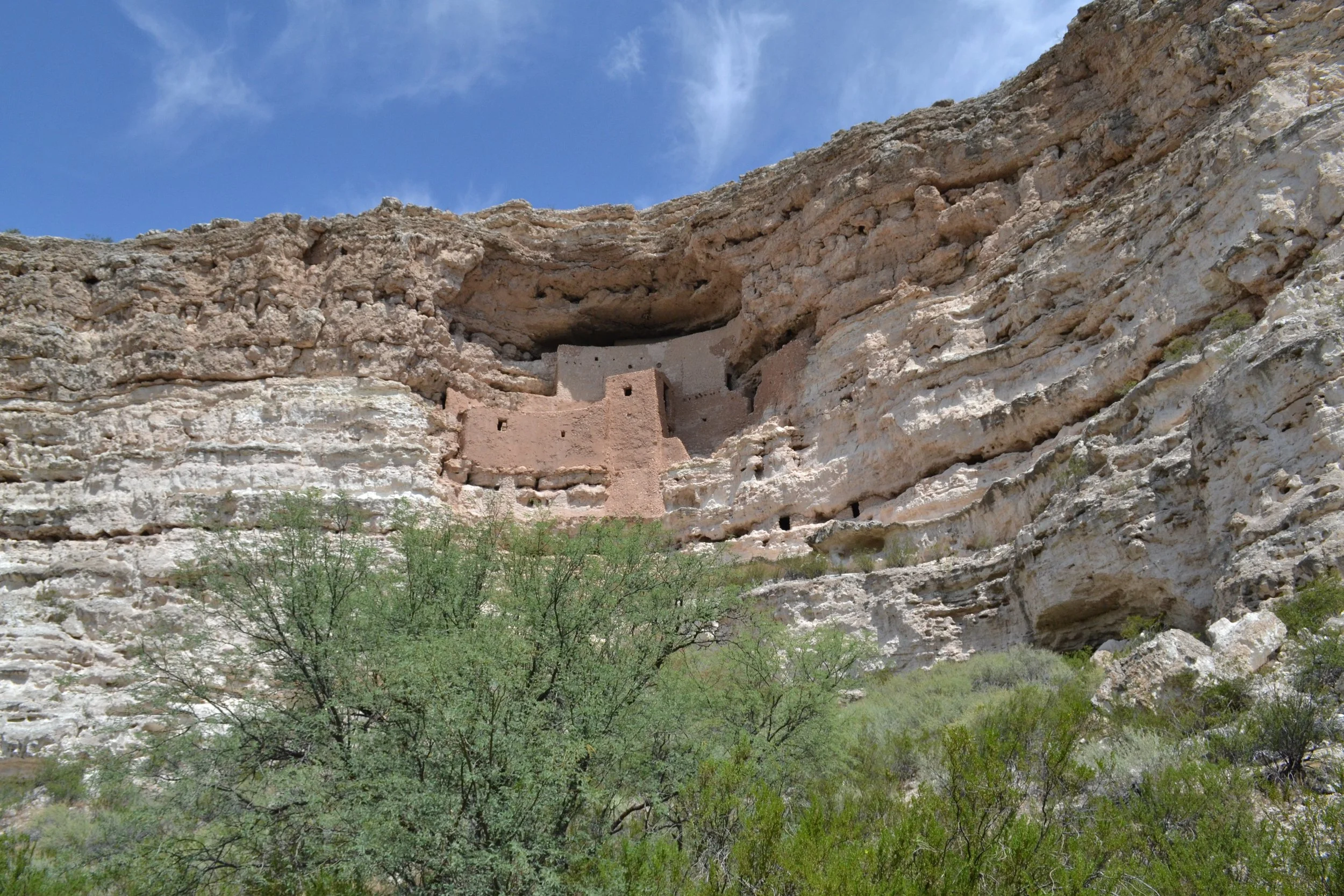
Thanks to the funding and support of Applied Heritage and Resource Solutions, Prof. Dr. Kathleen Van Vlack and visiting scholar Lena Sielaff traveled to several National Monuments and National Parks in Arizona to research how Native American history and culture are represented in U.S. National Parks.
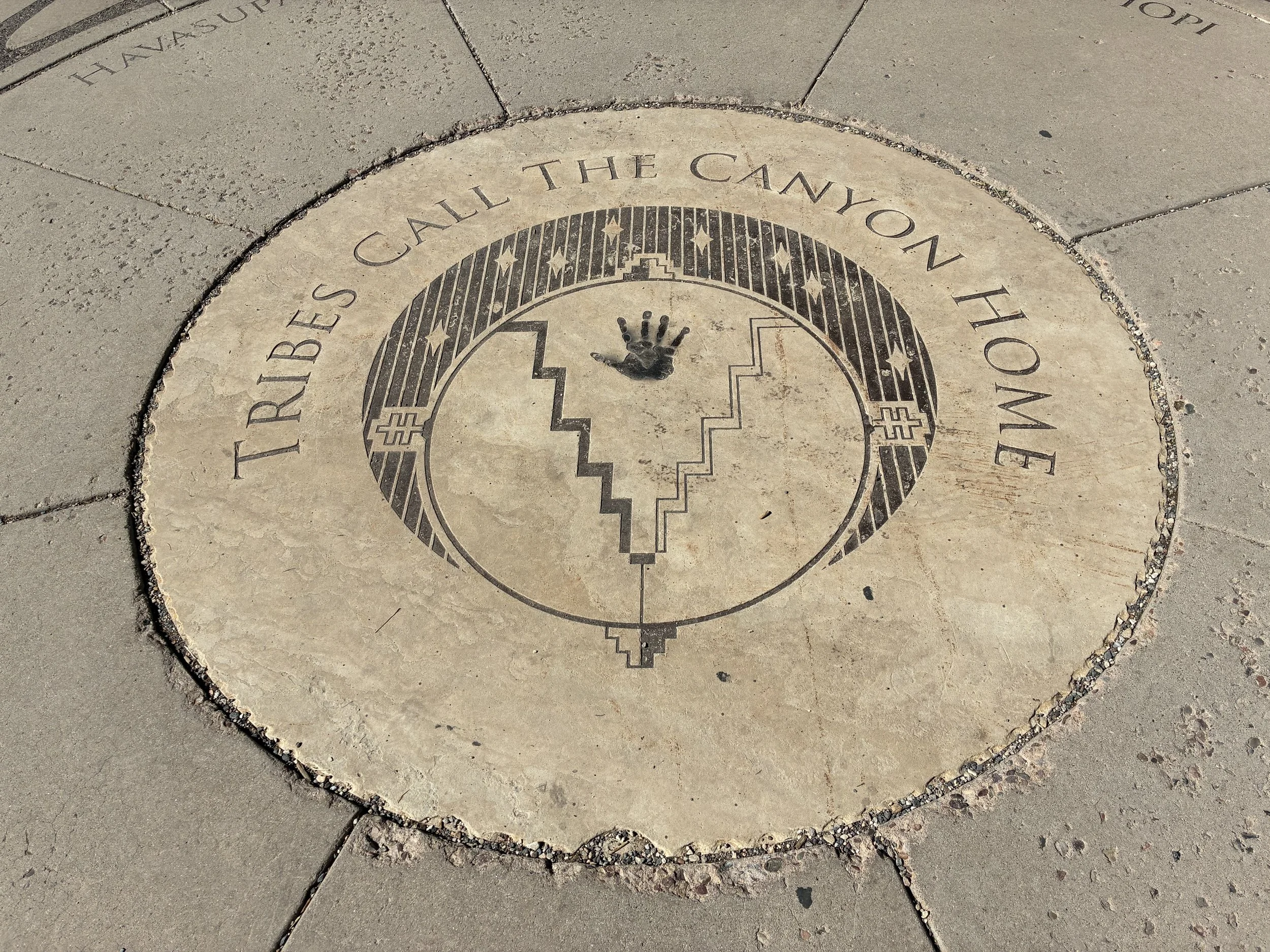
Over an intensive week in Northern Arizona, Lena evaluated how park sites communicate ancestral architecture and Indigenous history through visitor center exhibitions, museum curation, and outdoor interpretive signage. Lena is a master's student in North American Studies at Freie Universität Berlin, specializing in Sociology and Political Science at the John F. Kennedy Institute. With support from Applied Heritage and Resource Solutions, she was able to conduct field research essential to her master's thesis.
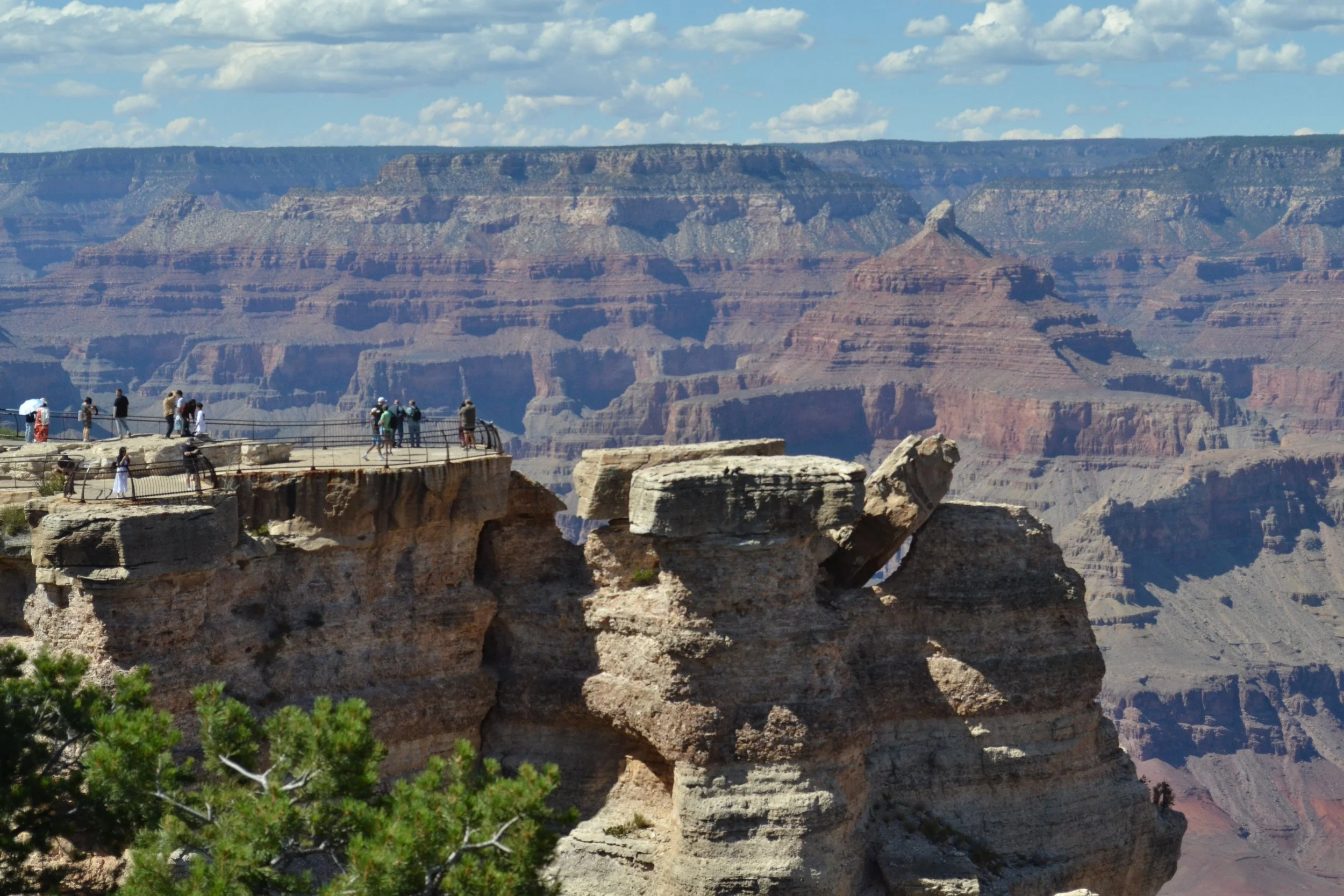
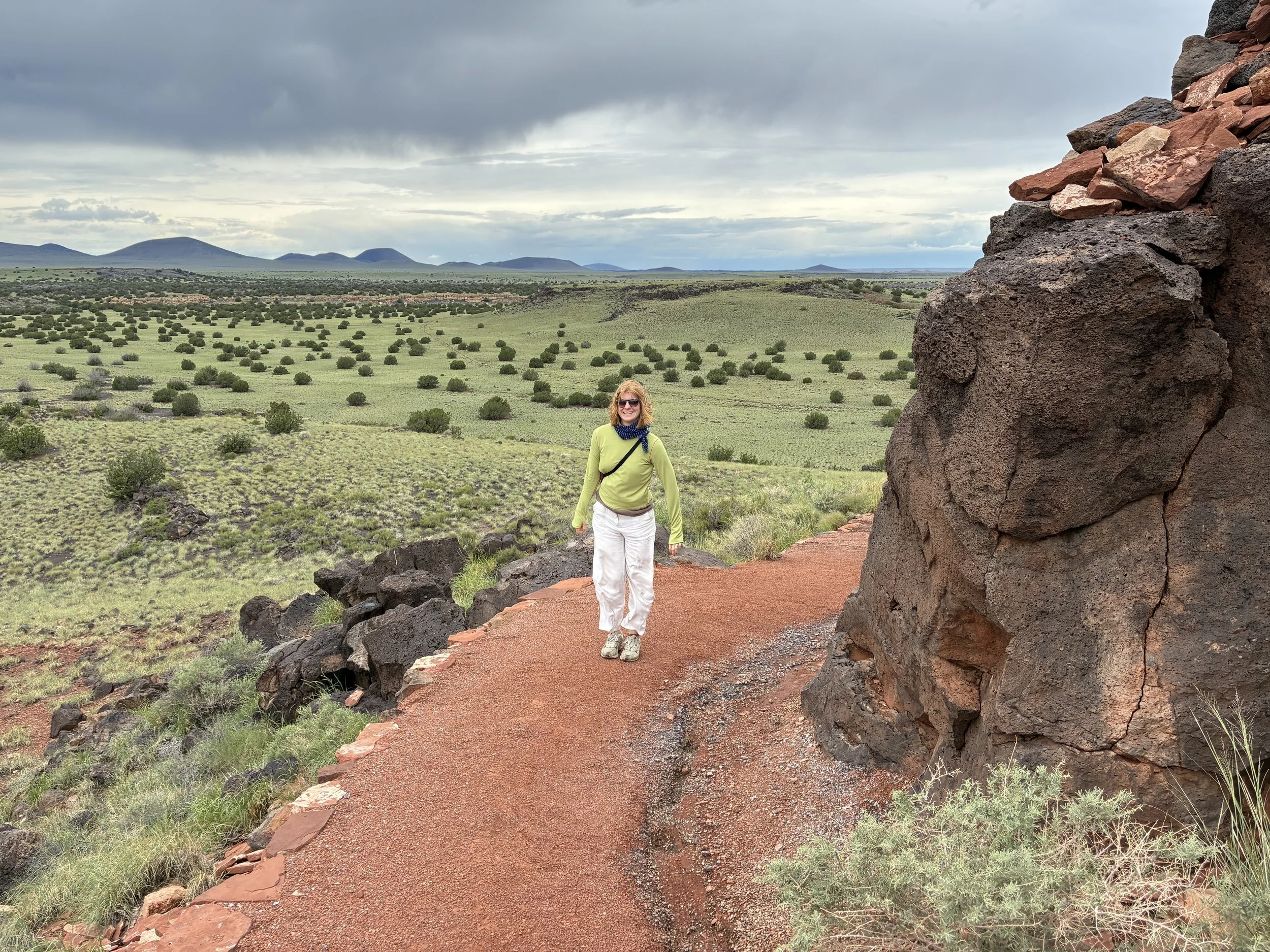
The trip spanned six key heritage destinations across the region. It began at the Museum of Northern Arizona, where Lena spoke with curators about the permanent exhibition Native Peoples of the Colorado Plateau, co-curated by Native American communities. From there, the research continued to Montezuma Castle and Tuzigoot National Monuments, followed by Sunset Crater Volcano and Wupatki National Monuments. The final two days were dedicated to Grand Canyon National Park and Walnut Canyon National Monument.
In the coming months, Lena will analyze the extensive field notes, visual observations, and photographs collected at each site. One insight has already emerged, however: public interpretation at parks and monuments is undergoing a decisive shift—moving away from a purely archaeological approach toward inclusive storytelling shaped in collaboration with tribal descendants. The pace and specifics of this shift, though, vary considerably from place to place.