
Research Projects
With more than 90 years of combined research experience, Richard and Brent Stoffle have led and contributed to projects across the United States and the Caribbean, collaborating with diverse communities and partner organizations. Their work centers on integrating local and traditional knowledge into the planning and management of cultural and natural resources, ensuring that community perspectives remain at the heart of decision-making. Each project is grounded in multidisciplinary teamwork, bringing together experts with specialized skills to address complex human–environment relationships. These efforts have generated influential reports, chapters, books, and presentations that advance the field while strengthening partnerships between local communities and management agencies.
Below is a selection of current projects that highlight their ongoing research priorities and collaborative approach.
-
Fisheries
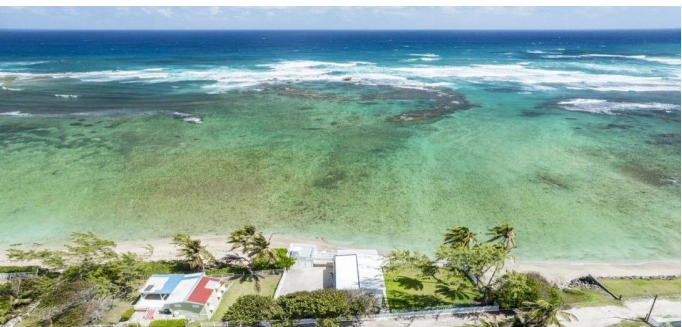
The Stoffles possess extensive experience working across both freshwater and saltwater fisheries. Their research addresses issues such as the impact of dam infrastructure in the Pacific Northwest and the integration of local communities and ecological knowledge into policy development. Additionally, they have examined Caribbean Marine Protected Areas and analyzed the socio-economic effects of pollution on Great Lakes fisheries. Their expertise extends beyond fisheries policy and regulation to encompass Blue Economic initiatives, including aquaculture and mariculture.
Their work spans the Spanish- and English-speaking Caribbean, as well as U.S. fisheries along the Atlantic coast from Montauk, New York to Key West, Florida. Furthermore, their research includes Pacific coastal communities, collaborating with stakeholders in Alaska, Hawaii, the Pacific Northwest, and Baja California, Mexico. The Stoffles are experts in conducting Social Impact Assessments (SIAs) and evaluating the implications of proposed development or regulatory actions, as well as assessing the effects of social and environmental changes on coastal communities and fisheries.
-
Equity and Environmental Justice
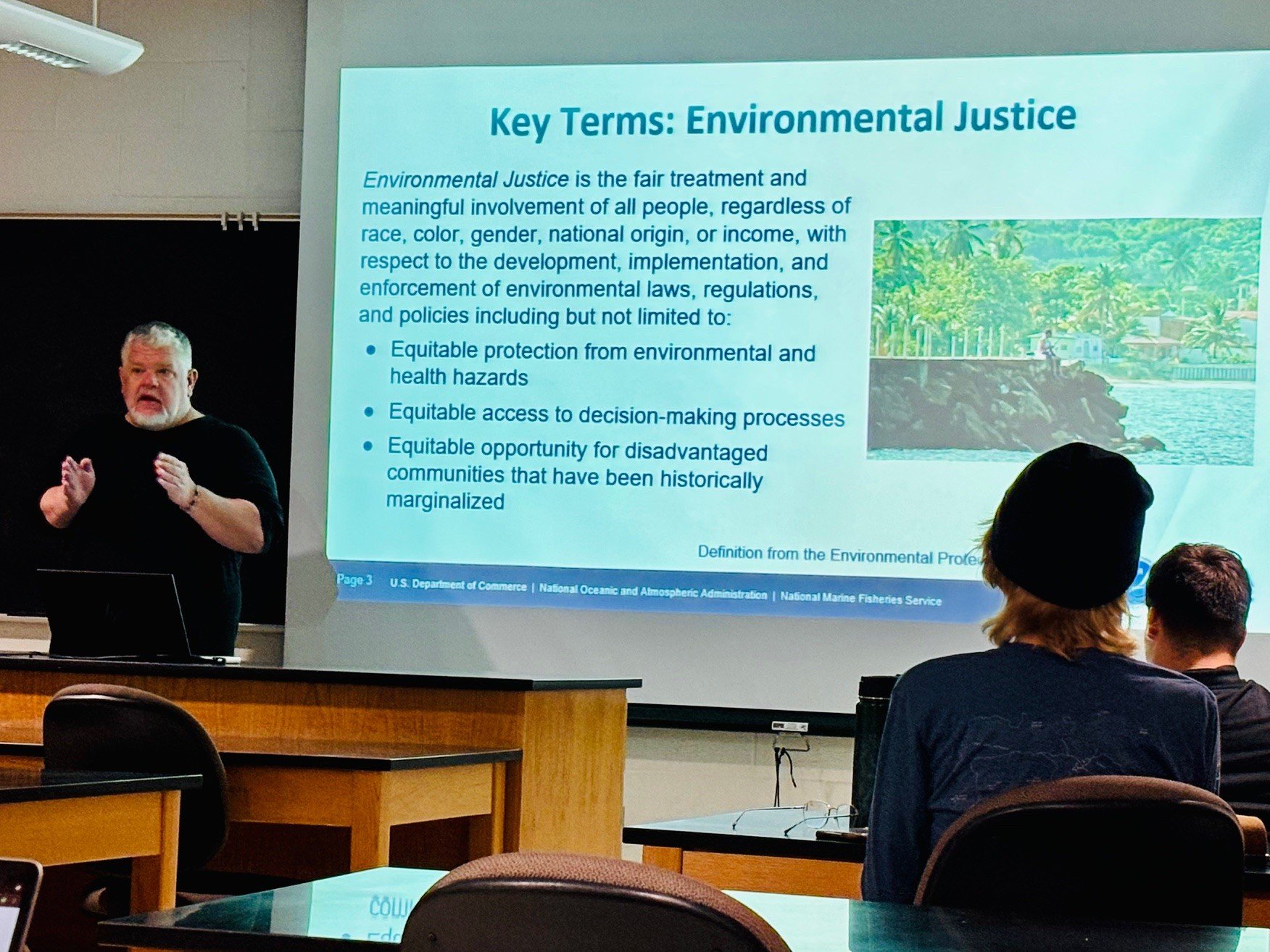
Richard Stoffle and Brent Stoffle are recognized as Equity and Environmental Justice (EEJ) experts due to their extensive experience working with diverse groups throughout North America and the Caribbean. Their research not only addresses the ecological impacts of infrastructure and pollution but also emphasizes the integration of local communities and traditional ecological knowledge into policy development. By conducting Social Impact Assessments (SIAs) and evaluating the socio-economic effects of environmental changes, they ensure that the voices and needs of marginalized and affected populations are considered in decision-making processes.
Their commitment to both environmental sustainability and social equity, as demonstrated through their work in the Pacific Northwest, the Caribbean, and U.S. Atlantic and Pacific coastal regions, highlights their expertise in advancing equity and justice within environmental policy and practice.
-
Environmental Impact
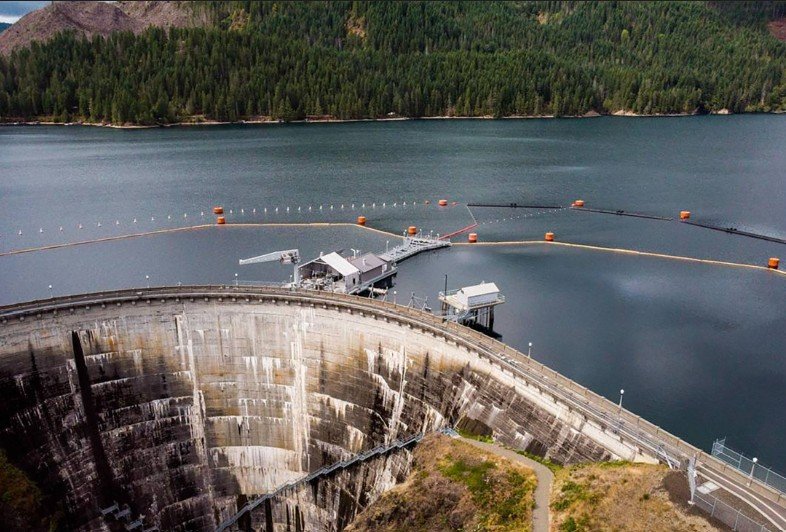
Richard and Brent Stoffle are widely regarded as experts in environmental change and disaster research because their work combines deep ethnographic and ecological research, long-term engagement with vulnerable communities, and applied approaches that bridge social and environmental science. Their careers are grounded in field-based, community-centered methods that illuminate how human and natural systems interact under the pressures of climate change, environmental stress, and disaster.
Richard Stoffle’s work as a cultural anthropologist has documented how Indigenous and traditional communities observe and adapt to environmental change, including multigenerational studies of climate-driven impacts on plant species, habitats, and traditional lifeways, as well as assessments of threatened cultural heritage landscapes across diverse regions. Brent Stoffle, a fisheries anthropologist, focuses on how marine and coastal communities respond to ecological disruptions and disasters, examining the social and economic impacts on fisheries and revealing resilience strategies and adaptive capacities. Together, their interdisciplinary work integrates cultural anthropology, ecology, traditional ecological knowledge, heritage conservation, and socio-economic analysis to advance understanding of sustainable adaptation and human–environment relationships.