
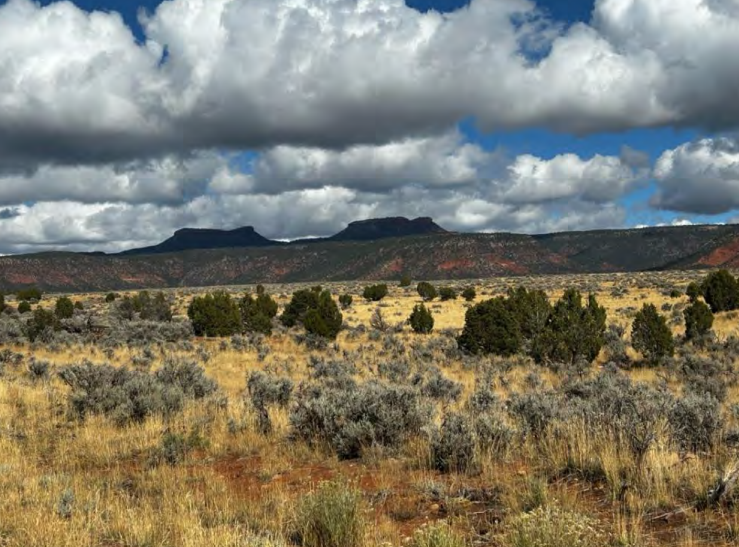
Ethnographic Study of the Monticello Field Office and Bears Ears National Monument
Authored by Kathleen Van Vlack
This publication presents findings from an ethnographic study documenting the cultural significance of the Monticello Field Office and Bears Ears National Monument to 32 tribes and pueblos across the American Southwest. These lands hold deep meaning tied to Creation, migration, ceremony, survival, and resilience, and the tribes and pueblos connected to this region advocate for its protection and for their direct involvement in management and cultural preservation decisions.
The report summarizes findings by tribe and pueblo, with fuller, tribe-specific accounts detailed in Chapters 5 through 12, and management recommendations presented in Chapter 13.

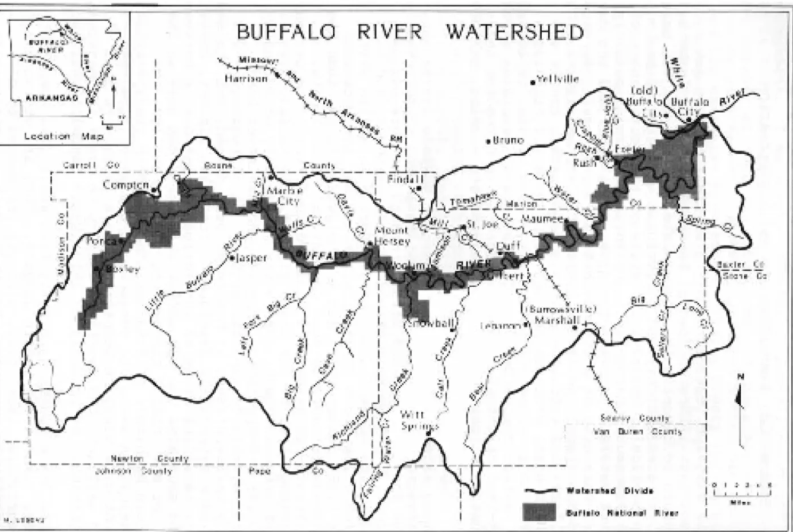
From cultural significance to sovereign authority: ethnobotany, federal land management, and the Buffalo National River/Cherokee nation plant gathering agreement
Authored by Mike Evans and Richard Stoffle
Applied ethnobotanical research conducted for federal land management operates on different terms than mainstream quantitative ethnobotany — differing in design, validity, and regulatory consequence. Academic indices like Use Value, Relative Frequency of Citation, and the Index of Cultural Significance aim to characterize a cultural group's plant knowledge in the abstract. Applied research in federal settings works differently: it's bounded by administrative jurisdiction, directed at statutory management questions, and validated not through statistical rigor but through tribal government endorsement.
This paper examines the 2019 Memorandum of Agreement between Buffalo National River and the Cherokee Nation — one of the first government-to-government plant-gathering agreements executed under National Park Service regulation 36 CFR 2.6. The underlying study followed a two-phase design. Phase One identified 281 traditionally used Cherokee plants among the 1,780 species documented in the park. Phase Two brought four tribally appointed Medicine Keepers into the field for ethnographic sessions, documenting 76 plants across contemporary use, seasonality, collection volume, plant parts, collection methods, and sustainability practices.
These findings shaped both a National Environmental Policy Act environmental assessment and the Memorandum of Agreement itself, whose species stipulations and annual Special Use Permit structure translate ethnobotanical evidence into enforceable management conditions. The result is a meaningful shift: from significance scoring toward sovereign cultural authority as the basis for protecting culturally significant plant resources — while keeping ethnobotanical documentation at the evidentiary core of the regulatory process.

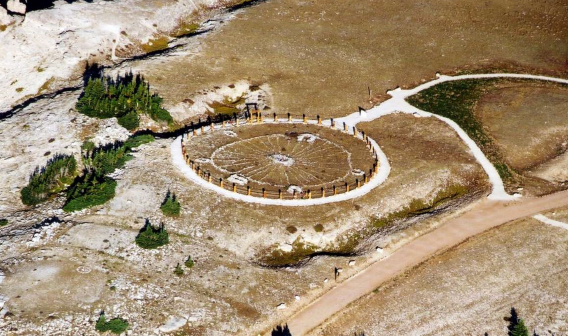
Where Does a Sacred Place End? Rethinking Boundaries in Heritage Stewardship
Authored by Mike Evans and Richard Stoffle
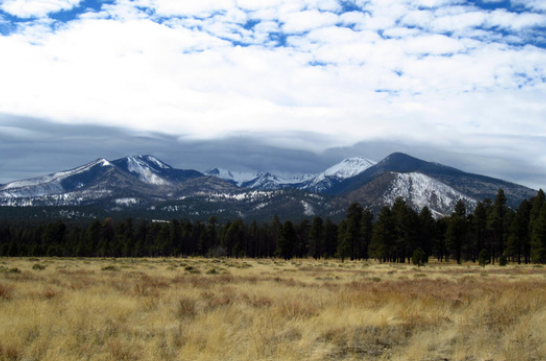
Heritage management has long relied on mapped boundaries, yet many traditional cultural places draw their significance from relationships, uses, memories, and responsibilities that extend well beyond any fixed line. This article frames that mismatch as a "boundary problem": the tension between administrative systems built around fixed sites and the broader cultural geographies recognized by Indigenous communities and other place-based practitioners. Drawing on ecology, geography, anthropology, planning, and ontology, it argues that the issue is not simply incomplete documentation but a structural challenge—fitting layered, relational places into legal and management frameworks designed for fixed parcels. The article identifies four types of boundaries, each producing distinct tensions in heritage practice, and proposes practical responses: representing gradients rather than hard edges, using flexible or co-defined boundaries, and shifting protective authority toward tribal sovereignty and co-stewardship where imposed lines fail to match the places they aim to protect. While the regulatory framework and case material are drawn from the United States, the Limitations section situates the same structural mismatch within international heritage and protected-area governance.
Cultures of Habitat: Geoheritage Places and Landscapes
Authored by: Richard Stoffle, Kathleen Van Vlack, Michael J. Evansand Britsy Rizo
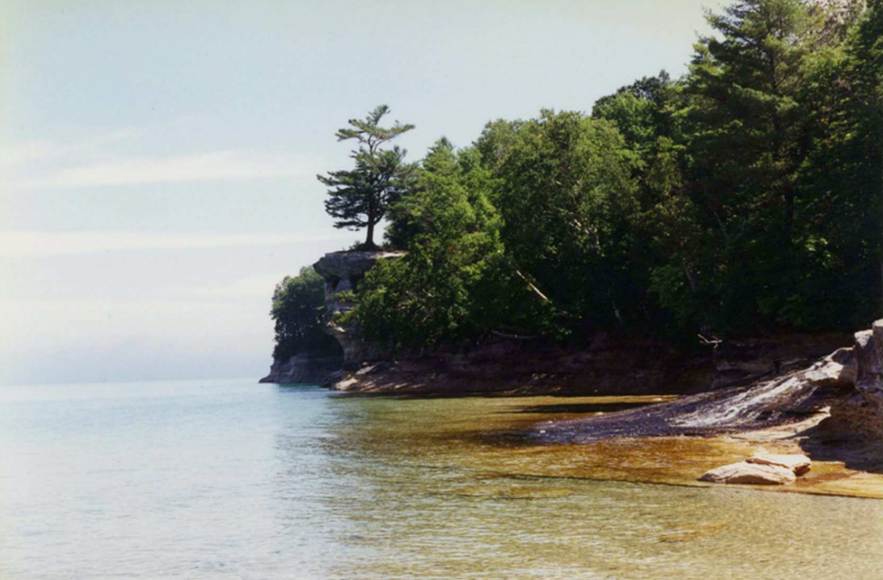
Cultural habitats are the deep, reciprocal relationships between traditional peoples and the plants, animals, and geological features of their ancestral landscapes—relationships that form the human dimension of geoheritage. Yet research on cultural habitats and research on geoheritage have largely developed on separate tracks.
This review brings the two fields together, drawing on four decades of ethnobotanical and ethnoecological research across 24 projects with Native American tribes and traditional communities in North America and the Caribbean. Using ethnographic methods, habitat mapping, and indices of cultural significance, the study documents how traditional communities use plants and define the boundaries of their cultural habitats.
Six case studies reveal a consistent pattern: each cultural habitat is closely tied to a distinct geological or landform feature. In every case, the official heritage boundaries set through formal nomination processes are smaller than the areas traditional peoples themselves recognize as their cultural habitat. This gap reflects a deeper divide between Western approaches to defining heritage and the ways indigenous and traditional communities understand their responsibilities to the land.
The review calls for broader standards of evidence, collaborative boundary-setting, and co-stewardship to be built into geoheritage management policy.
Publications Authored By Richard Stoffle
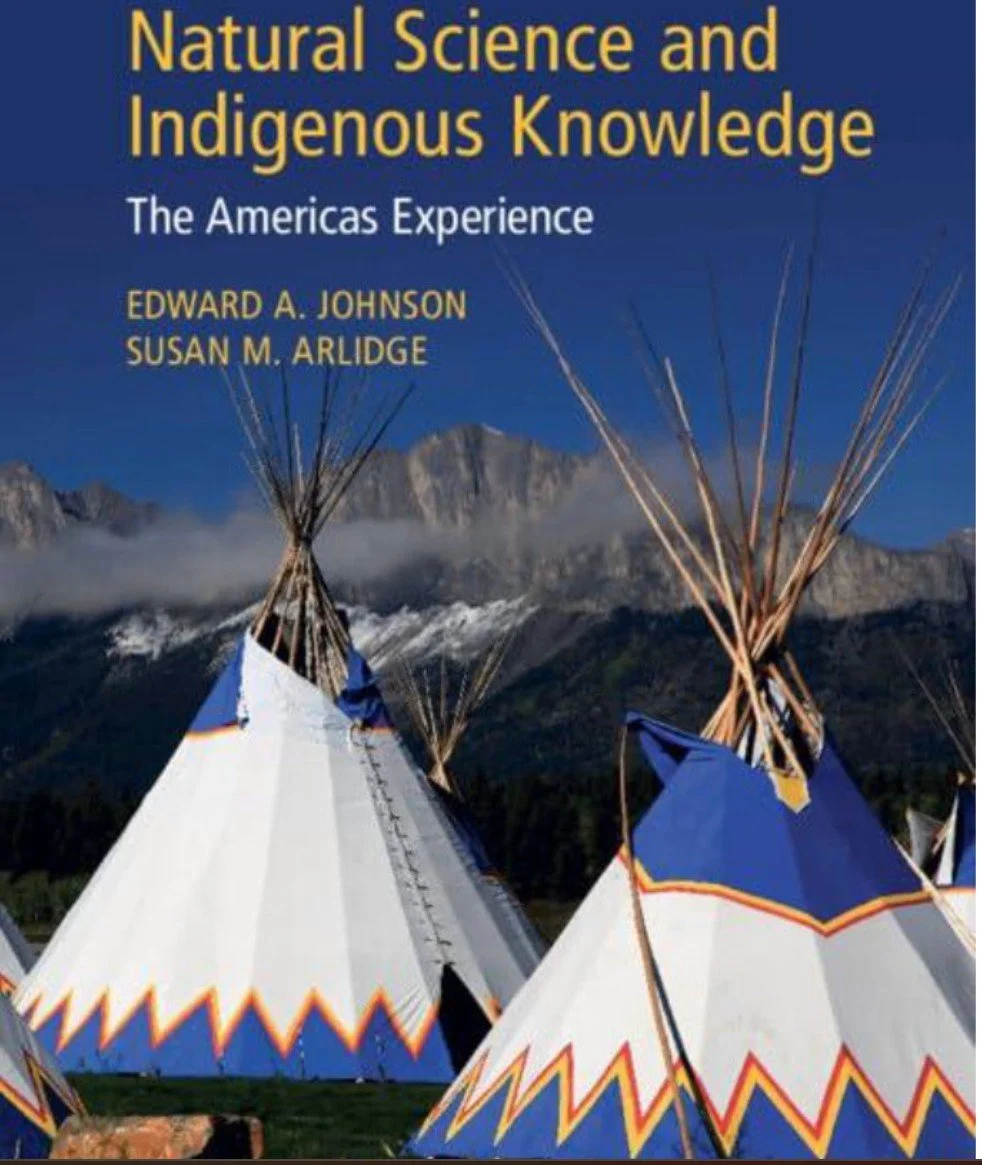
Native American Science in a Living Universe: A Paiute Perspective explores Indigenous knowledge as an active, relational system grounded in lived experience and long-term observation of the natural world. Drawing from more than 136 ethnographic studies—including forty-four focused on Paiute communities—and the lived experience of one of the authors, the work illustrates how Native science emerges from ongoing dialogue with a living environment. Featured in Natural Science and Indigenous Knowledge: The Americas Experience (Cambridge University Press, 2024), this perspective highlights conservation practices rooted in reciprocity, responsibility, and deep cultural understanding of the land.
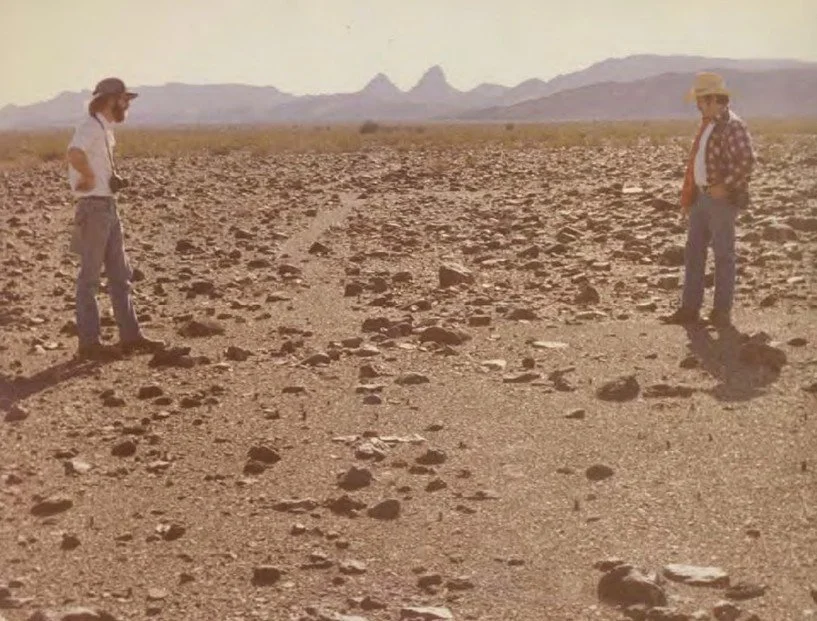
Name It and It’s Yours: Toponym Disputes Between Native and Settler Colonials in North America
This article examines how place names—mountains, rivers, canyons, and other culturally significant landscapes—become sites of power, identity, and conflict between Native American communities and settler colonial societies. Drawing on six ethnographic case studies, the authors explore how toponyms function as enduring expressions of cultural presence and land relationships, and how colonial renaming practices have displaced Indigenous histories and claims. The research highlights the cultural importance of place-naming traditions and offers pathways for resolving heritage conflicts through respectful interpretation, visitor education, and culturally appropriate land management. All studies were conducted in collaboration with, and approved by, participating Native American tribes and Pueblos.
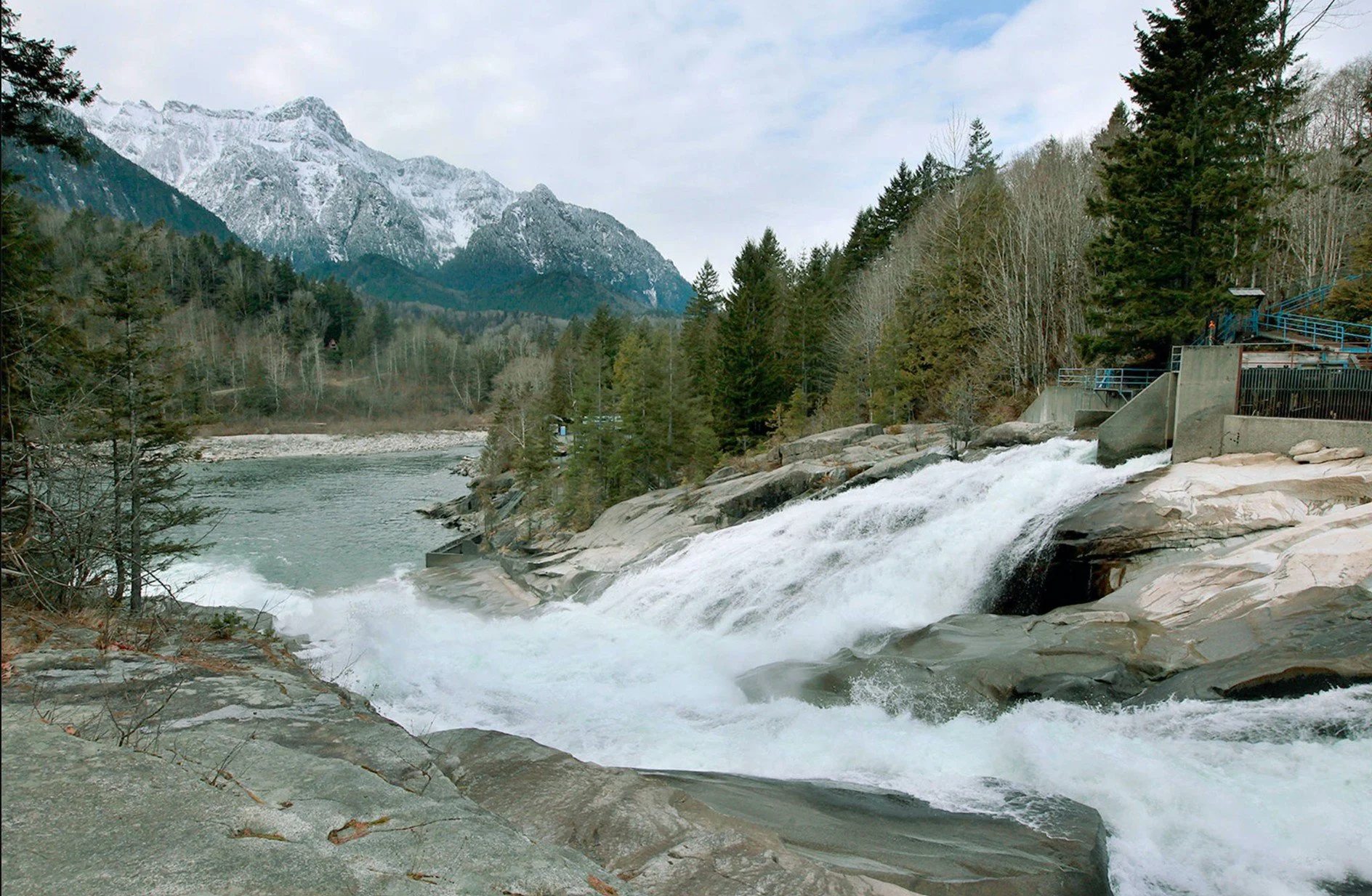
Release Our River, Let the Salmon Swim: Skokomish Efforts to Restore Their River
Natural Landscape and Cultural Heritage, Land (2022)
This publication examines the Skokomish Indian Nation’s successful efforts to restore the North Fork of the Skokomish River on Washington’s Olympic Peninsula. Drawing on over 14,000 years of cultural connection to the river, the Skokomish argued that dam-altered flows had damaged both salmon habitat and access to sacred sites, and that the river’s cultural landscape remained intact despite decades of disruption. The resulting federal settlement led to the release of water from the Cushman Dams, restoring salmon populations, reestablishing natural river flows, and reaffirming tribal sovereignty. The case offers an important contribution to global conservation practice through the Protected Landscape Approach (IUCN Category V).
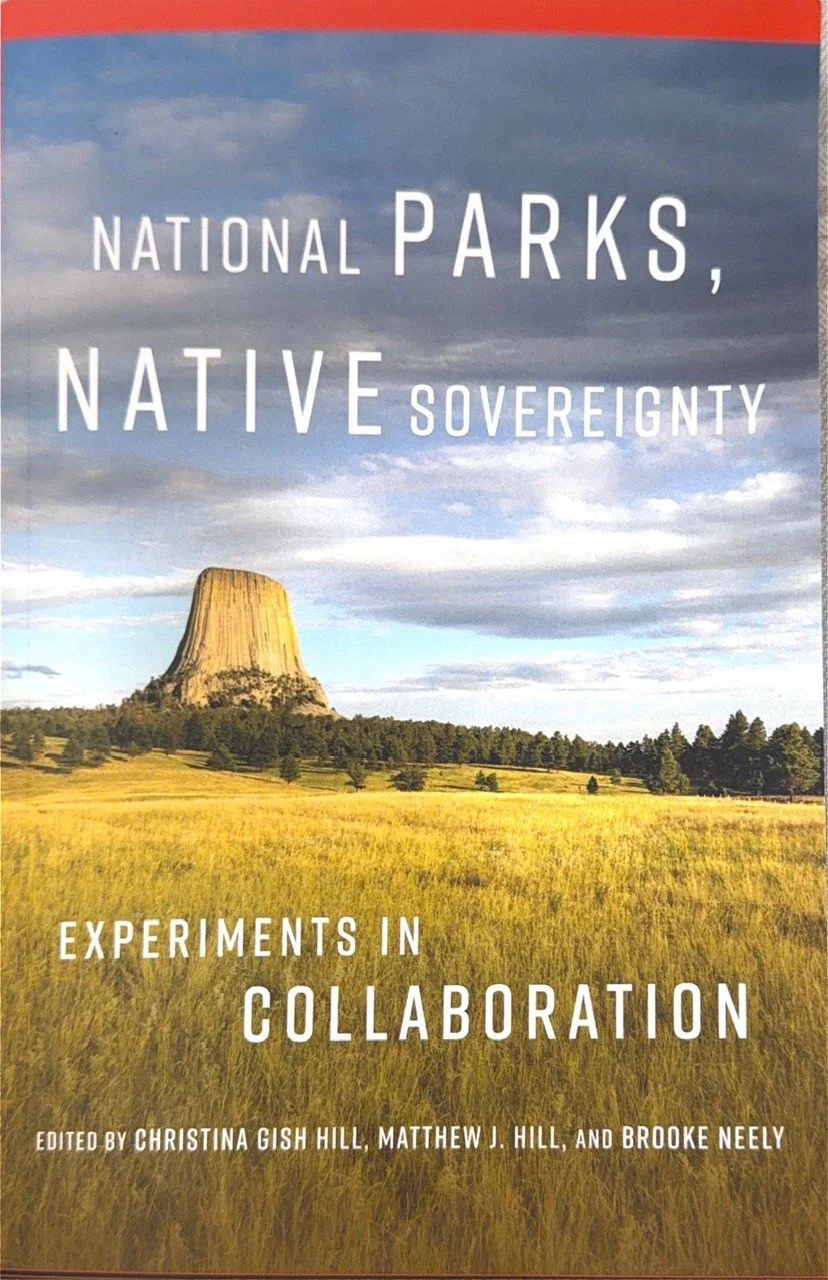
Returning to Gather: Cherokee and the National Park Service Establish a Plant Gathering Agreement at Buffalo National River, Arkansas
Published in National Parks and Native Sovereignty, University of Oklahoma Press (October 9, 2024)
This chapter highlights a historic collaboration between the Cherokee Nation and the National Park Service that reconnects Indigenous knowledge with public land stewardship. Centered on Cherokee Traditional Ecological Knowledge (TEK), the research documents culturally significant plants and ecosystems within Buffalo National River, Arkansas, and supports one of the first Plant Gathering Agreements developed under the National Park Service’s 2016 gathering rule. Through close partnership, Cherokee leaders and park staff created an approved framework that honors tribal sovereignty, sustains cultural traditions, and strengthens care for ancestral lands.
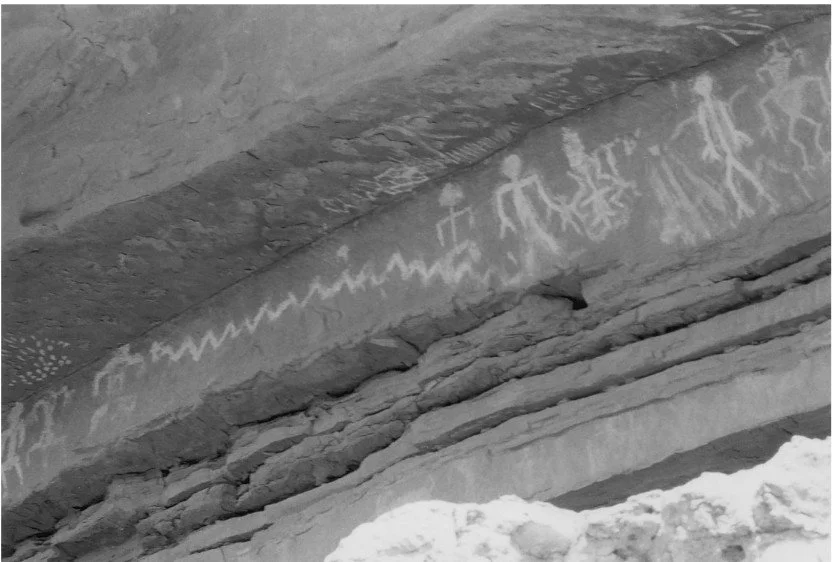
Ghost Dancing the Grand Canyon: Southern Paiute Rock Art, Ceremony, and Cultural Landscapes
Current Anthropology 41(1): 11–38
This article explores the powerful connections between place, ceremony, and cultural memory in the Grand Canyon region. Drawing on rock art analysis, ethnohistory, and contemporary ethnographic perspectives—including insights from people who share the cultural traditions being studied—the research centers on a rock art site in Kanab Creek Canyon believed to be associated with a late-19th-century Ghost Dance ceremony by Southern Paiute, and possibly Hualapai, communities. Through this site, the study illustrates how landscapes are shaped by the relationships among people, artifacts, natural resources, and historic events, offering a deeper understanding of Indigenous cultural landscapes as living, interconnected systems.
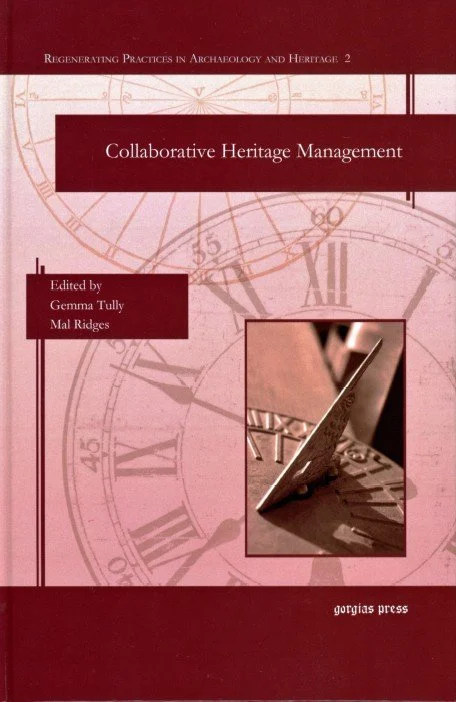
Talking with Nature: Southern Paiute Epistemology and the Double Hermeneutic with a Living Planet
By Richard W. Stoffle
This chapter centers Native American voices in the management and interpretation of their heritage resources through the framework of heritage cultural landscapes. Drawing on Southern Paiute epistemology, it presents the foundational premise that people speak with the land—and the land speaks back—forming a reciprocal relationship known as the double hermeneutic with a living planet. The work underscores Indigenous knowledge as essential to understanding, protecting, and stewarding cultural landscapes as living, communicative systems rather than static places.
Cant of Reconquest and the Struggle for Restoring Sustainability of the Southern Paiutes
Richard Stoffle, Kathleen Van Vlack, Richard Arnold, Gloria Bulletts Benson
This publication examines the Southern Paiutes’ ongoing struggle to restore cultural, environmental, and spiritual sustainability through the reconquest of ancestral lands and heritage practices. Drawing on Indigenous knowledge systems and co-management frameworks, the authors highlight the critical role of traditionally associated Indigenous peoples in stewarding heritage resources and advancing long-term sustainability.
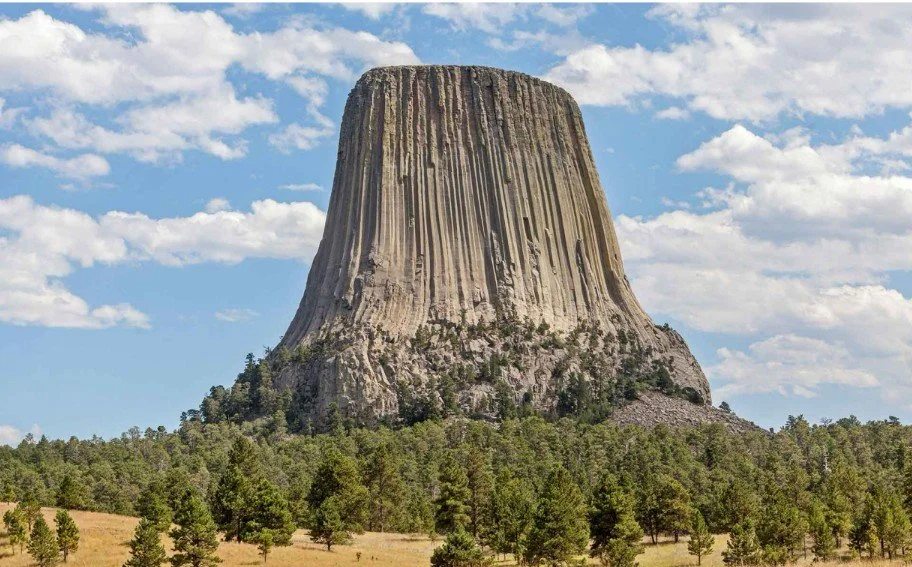
Mateo Tepe (Devils Tower) is one of the world’s most iconic igneous rock formations and the largest known example of columnar jointing. Rising dramatically from the surrounding plains, it is a landmark of exceptional geological significance and cultural importance. Recognized as an IUGS Geological Heritage Site in The Second 100 (2024), Mateo Tepe represents a globally important example of igneous and metamorphic petrology and a powerful symbol within both scientific study and Indigenous cultural traditions.
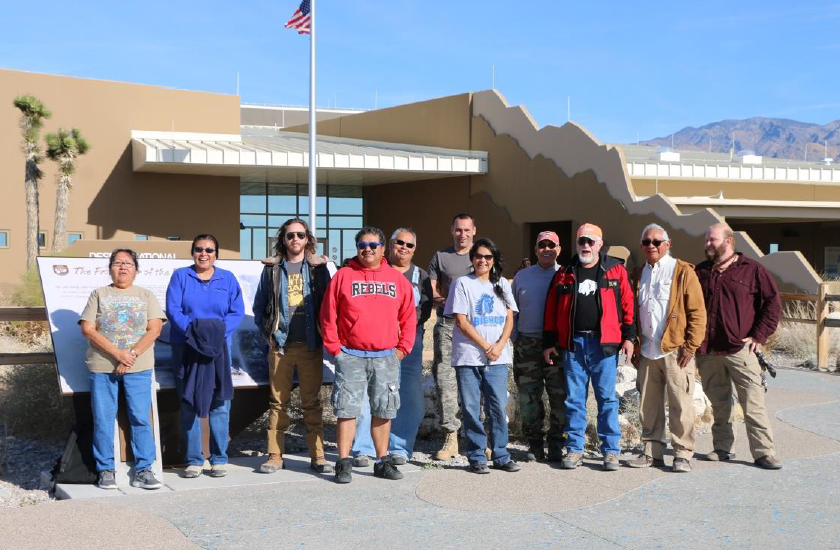
Landscape Is Alive: Nuwuvi Pilgrimage and Power Places in Nevada
By Richard Stoffle, Richard Arnold & Kathleen Van Vlack
Published in Land (2022), Special Issue on Natural Landscape and Cultural Heritage
“Landscape Is Alive” explores the deep spiritual, cultural, and historical connections that Nuwuvi (Southern Paiute) and Newe (Western Shoshone) peoples maintain with the living landscapes of southern Nevada.
Drawing on an interdisciplinary environmental impact assessment with representatives from 18 Native nations, this study reveals how sacred places—established at the time of Creation—continue to guide cultural identity, ceremony, and stewardship. Within these cultural landscapes, power places, rock writings, offerings, and traditional narratives form interconnected networks much like pearls on a string, shaping ancient pilgrimage routes that link communities across the region.
Centered on a valley landscape between Pahranagat Valley and the Corn Creek oasis at the base of Nuvagantu (the Spring Mountains), this research documents a vibrant cultural geography that is both ancient and contemporary. It highlights the significance of these sacred corridors and raises critical concerns about potential threats posed by the expansion of military land and air use.
The article affirms a central truth shared by Nuwuvi and Newe elders: the landscape is not static—it is living, purposeful, and integral to the cultural survival of their people.
Toponym Disputes in Indigenous North America
Authored by Richard Stoffle (University of Arizona), Kathleen Van Vlack (Northern Arizona University), Simon Larsson (Uppsala University), and Yoko Kugo (University of Alaska Fairbanks), this research examines how place names—or toponyms—embody Indigenous peoples’ cultural, spiritual, and historical relationships with their lands. The study explores ongoing disputes over naming and renaming geographic sites across North America, revealing how these debates intersect with issues of sovereignty, identity, and cultural preservation. Through an interdisciplinary lens, the authors underscore the significance of restoring and respecting Indigenous place-based heritage.
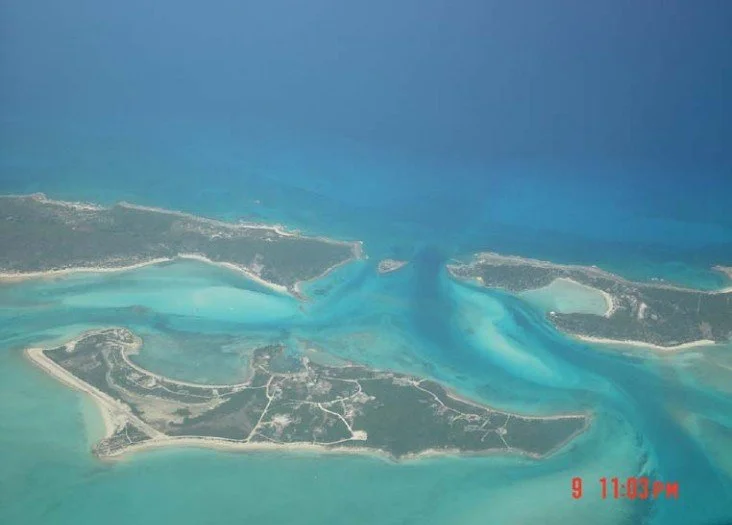
At the Sea’s Edge: Elders and Children in the Littorals of Barbados and the Bahamas
Brent Stoffle (NOAA) & Richard W. Stoffle (University of Arizona)
Published in Human Ecology, Vol. 35(5): 547–558 (September 2007)
This study examines the enduring relationship between coastal communities and the “littoral”—the cultural and ecological edge of the sea—in Barbados and the Bahamas. Drawing from ethnographic research in the Exuma Cays and Bath Plantation, the authors explore how these nearshore environments serve not only as sources of food and medicine, but as vital spaces for teaching, healing, and sustaining community identity.
For generations, elders and children have maintained the littoral as a place of independence, dignity, and intergenerational connection. Yet, modern development and marine protected areas risk disrupting these traditional bonds. Stoffle and Stoffle argue that sustainable coastal management must recognize and include local people as co-managers of their heritage seascapes, ensuring that both ecological balance and cultural continuity are preserved at the sea’s edge.
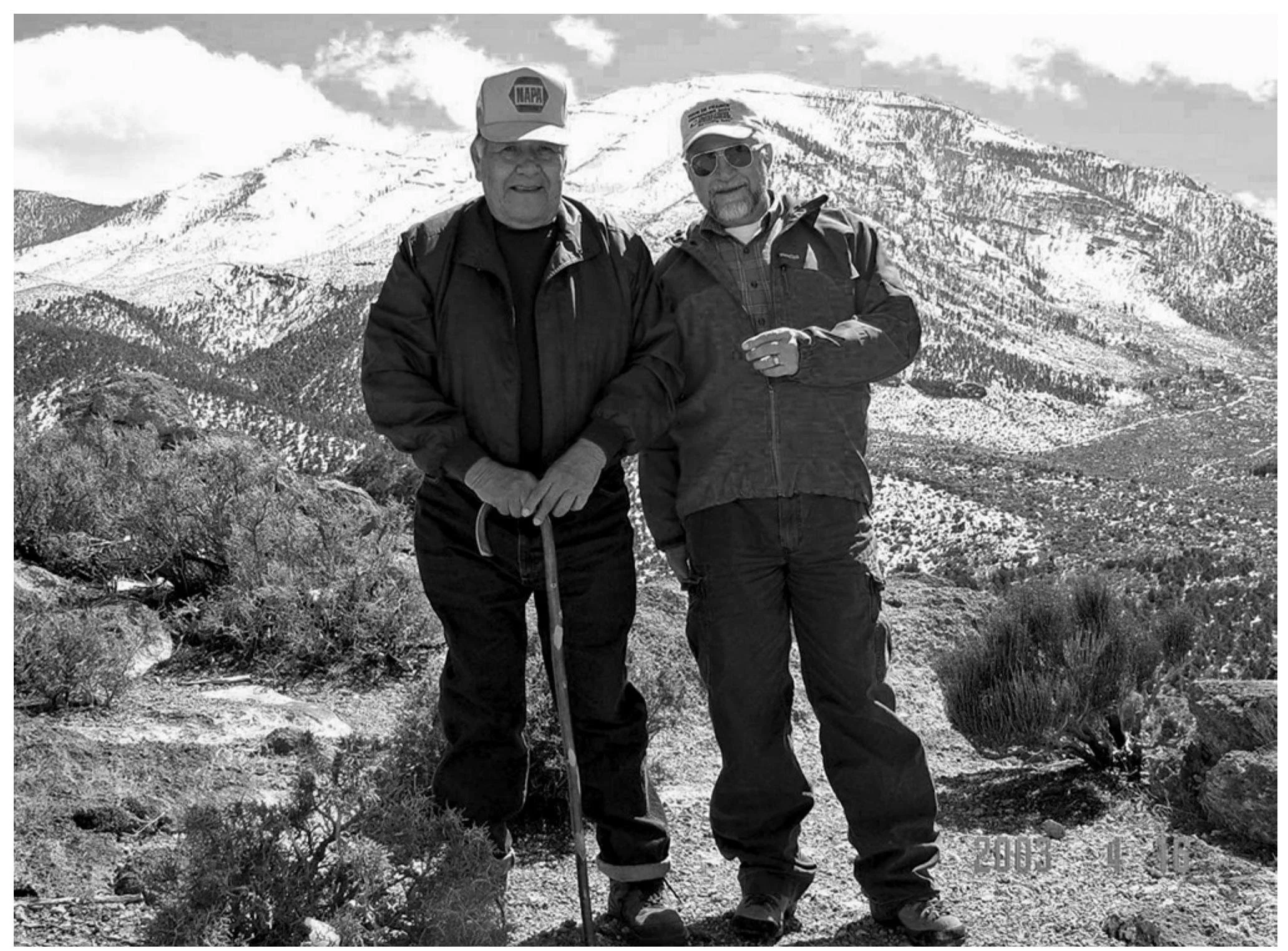
Incised Stones and Southern Paiute Cultural Continuity
By Kathleen Van Vlack and Richard W. Stoffle
Published in the Journal of California and Great Basin Anthropology (2021)
This study explores the enduring cultural and spiritual connections of the Southern Paiute people to the Spring Mountains massif—recognized as their place of Creation and the heart of their aboriginal homeland. Drawing on more than 740 ethnographic interviews with Southern Paiute representatives, the authors document how incised stones featuring feather patterns serve as powerful cultural markers of continuity, ceremony, and identity. The research highlights how such artifacts, alongside oral histories and spiritual traditions, inform government-to-government consultation processes and underscore the deep cultural affiliation between Indigenous peoples and their ancestral landscapes.
Publications Authored By Brent Stoffle
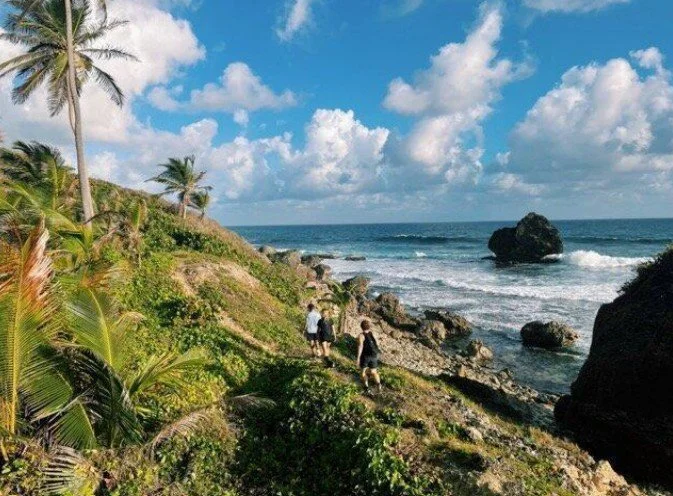
Authors: Brent W. Stoffle & Amanda D. Stoltz
Journal: Geology, Earth and Marine Science, Volume 7(6): 1–13
DOI: 10.31038/GEMS.2025761
African Ancestry communities along the Barbados coastline maintain enduring cultural, spiritual, and ecological connections to what researchers term The Sea’s Edge — a dynamic littoral landscape where land and sea meet. Drawing on over two decades of ethnographic research, this study documents how coastal spaces adjacent to Bath Plantation have served as vital cultural zones since the era of enslavement. Today, these areas continue to sustain heritage practices, provide ecological and cultural services, and symbolize identity and resilience. The authors propose a model for understanding and managing these heritage-rich littoral landscapes through community engagement and cooperative stewardship between local residents and national government.
Yellowtail Snapper: Human–Ecological Relationships in the South Florida Fishery (2021)
By Brent Stoffle, NOAA Fisheries/SEFSC/SSRG, and Amanda D. Stoltz, University of California Santa Cruz
Published in the Journal of Ecological Anthropology
In 2018, researchers from NOAA’s Southeast Fisheries Science Center conducted a five-month study with South Florida fishers and local business owners to understand long-term changes in the yellowtail snapper fishery. Participants described how evolving targeting strategies over recent decades have influenced the species’ health and biology—contributing to increased abundance and potentially accelerating growth and reproductive cycles. This research highlights the dynamic, positive relationships between humans and the natural environment, offering valuable insights into sustainable fisheries management and the future resilience of the yellowtail snapper fishery.
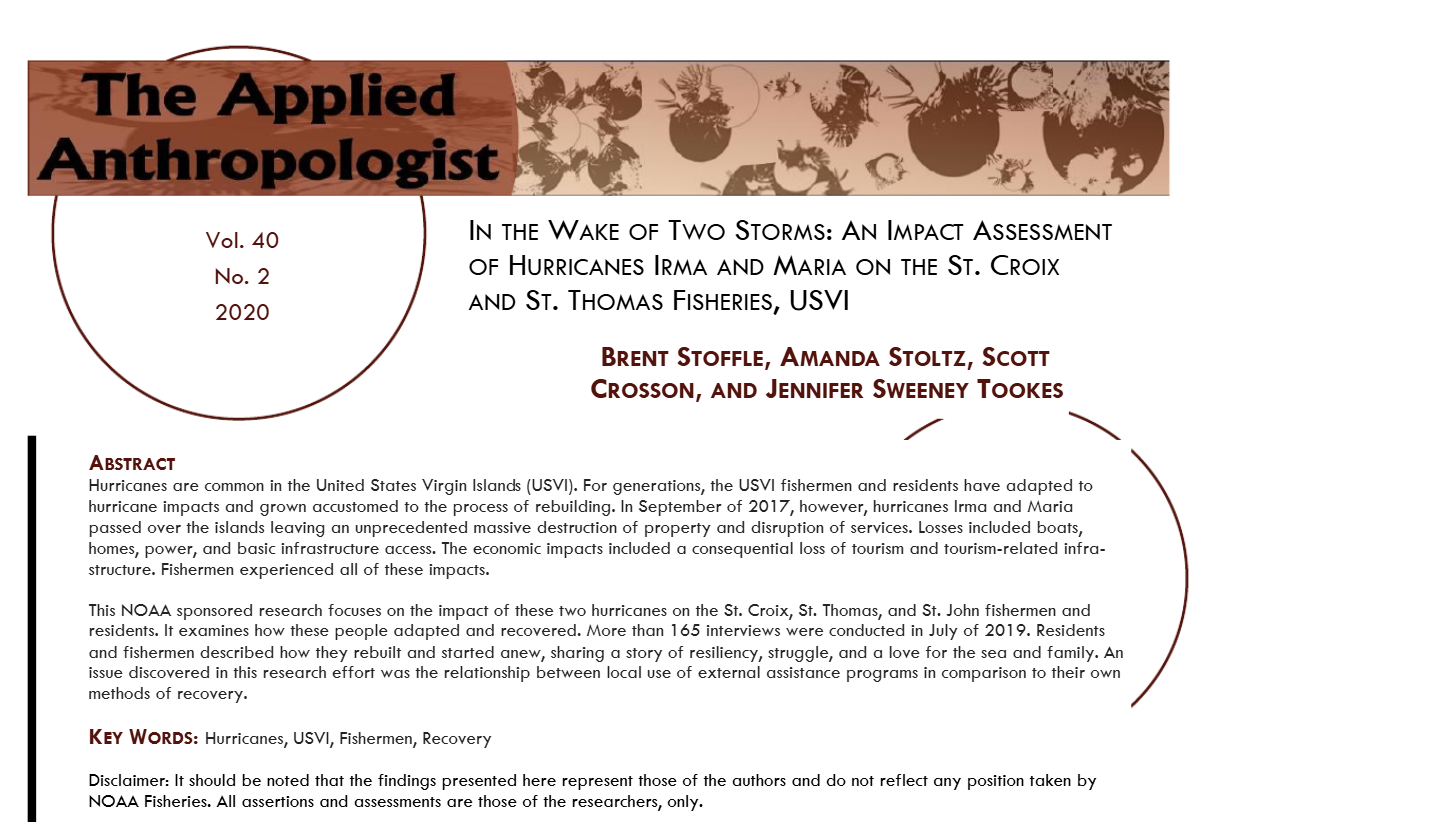
In the Wake of Two Storms: An Impact Assessment of Hurricanes Irma and Maria on the St. Croix and St. Thomas Fisheries, USVI
December 2020
This interdisciplinary study examines how Hurricanes Irma and Maria affected the livelihoods, ecosystems, and recovery pathways of small-scale fishers in the U.S. Virgin Islands. Drawing on interviews, field assessments, and fisheries data, the authors document not only the storms’ environmental and economic impacts but also the resilience and adaptive capacity of local fishing communities.
Authored by Brent Stoffle (NOAA Fisheries), Amanda D. Stoltz (USGS), Jennifer Sweeney Tookes (Georgia Southern University), and Scott Crosson, the report highlights how applied anthropological research can inform disaster response, fisheries management, and coastal recovery planning in the Caribbean.