
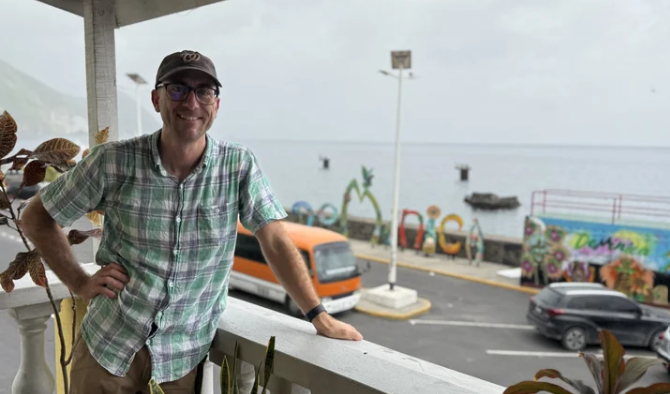
How do people give meaning to the places their ancestors made — and what can cultural heritage teach us about a shared present and future?
This past month, cultural anthropologist Dr. Landon Yarrington led fieldwork in Dominica for Applied Heritage and Resource Solutions, combining site visits with ethnographic interviews to explore these questions.
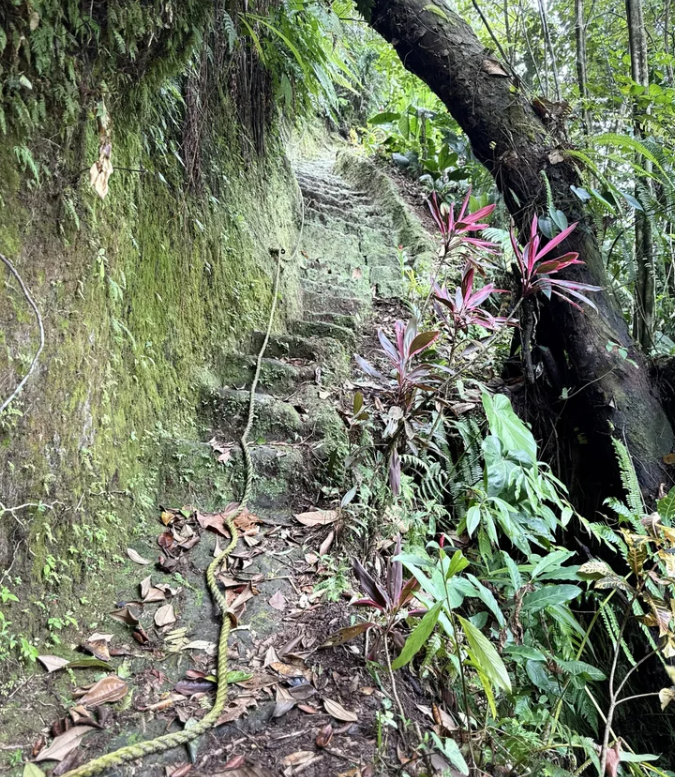
One striking example: Jacko Steps and Jacko Flats, tucked deep in Dominica's central rainforest. These sites once sheltered maroons — people who escaped slavery and built settlements in defiance of the plantation economy. Little remains today beyond the 100-plus steps they carved into the volcanic mountainside, the product of organized, self-directed labor. That same spirit endures in the people who maintain the paths today.
For the research team, this continuity is a key finding: autonomous, self-directed labor lies at the heart of "creole social space" — the physical and symbolic spheres Caribbean people built beyond colonial control.
The study builds on the team's broader research into creole social space across the Caribbean, with comparative cases in St. John, Barbados, the Bahamas, and Haiti, deepening understanding of how communities draw on heritage to shape their future.
From Heritage Leadership to Community Support: Applied Heritage and Resource Solutions in Barbados
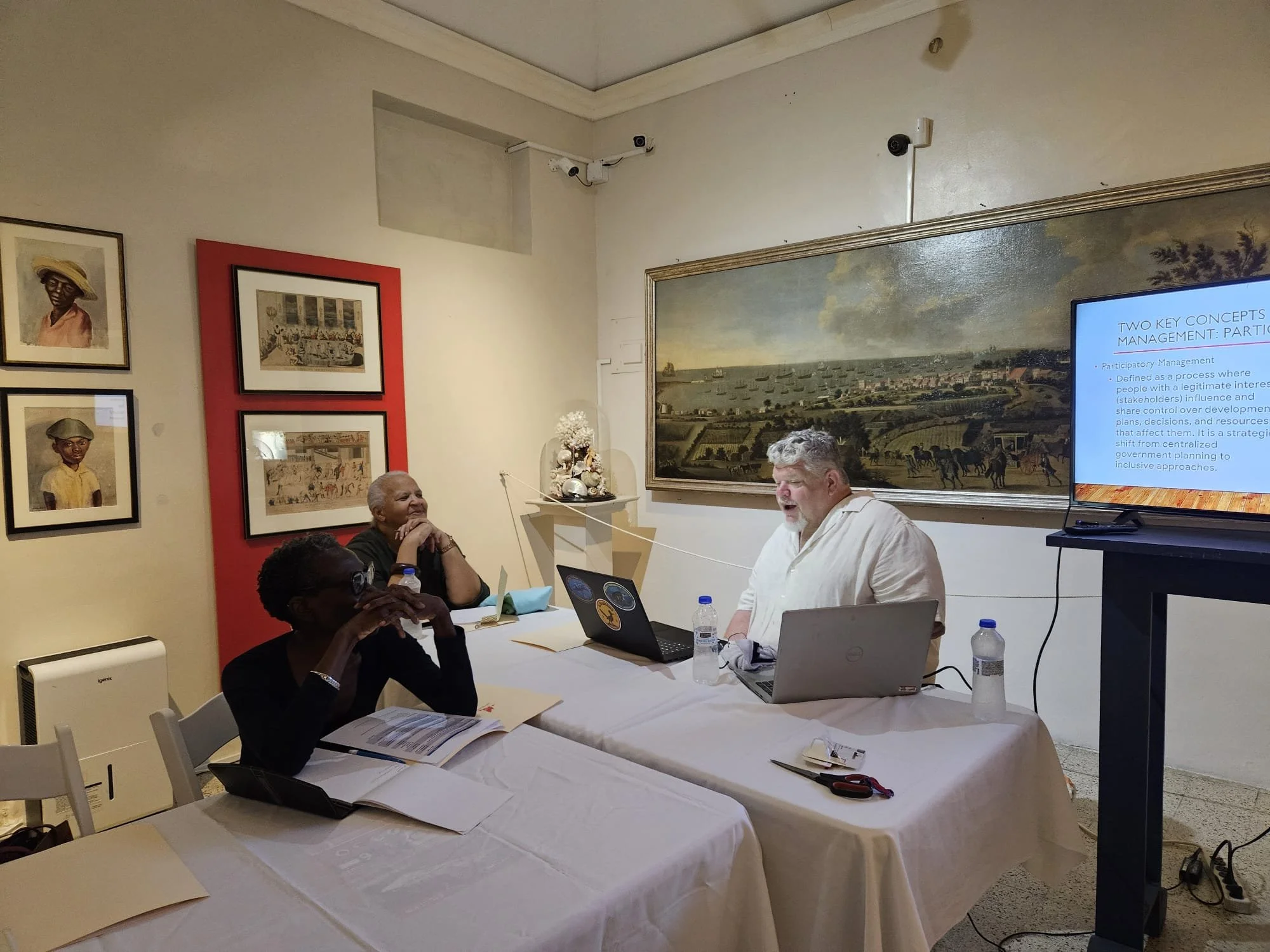
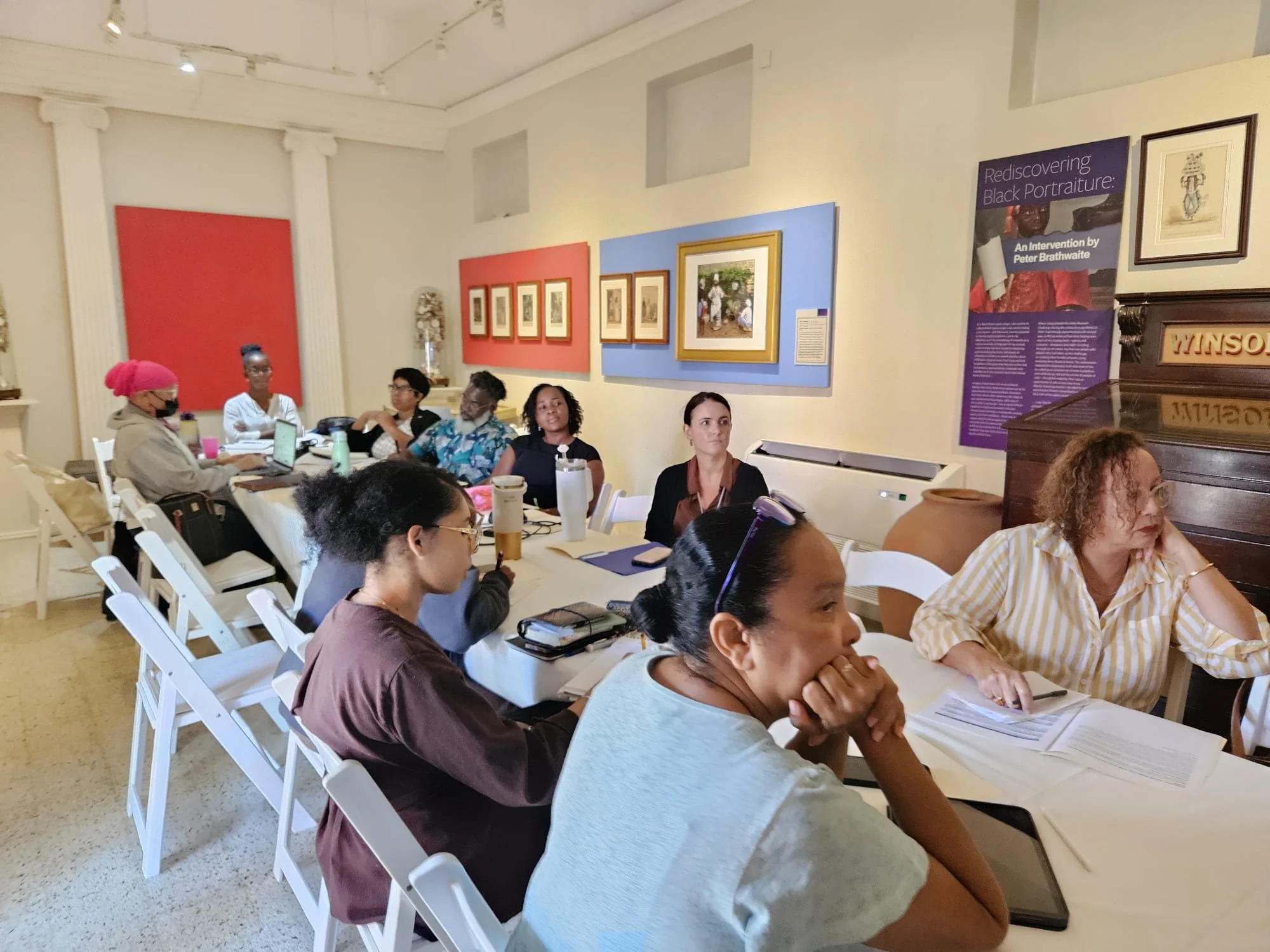
Applied Heritage and Resource Solutions was proud to have Dr. Brent Stoffle present in and moderate the Heritage Matters Workshop: Integrating Intangible Cultural Heritage and Natural & Cultural Heritage Management in Barbados, hosted by the National Barbados Museum & Historical Society.
The workshop brought together more than 15 experts from across heritage, archaeology, environmental management, academia, government, and community organizations to explore how cultural traditions, local knowledge, and community partnerships can strengthen the stewardship of Barbados' natural and cultural resources.
Dr. Stoffle shared insights from his work integrating Traditional Environmental Knowledge (TEK) and Local Ecological Knowledge (LEK) into resource management, drawing on decades of research in Barbados and throughout the Caribbean that demonstrates the vital role local communities play in conservation.
Thank you to the Barbados Museum & Historical Society for convening this important exchange and creating space for meaningful collaboration among experts dedicated to preserving cultural and natural heritage.
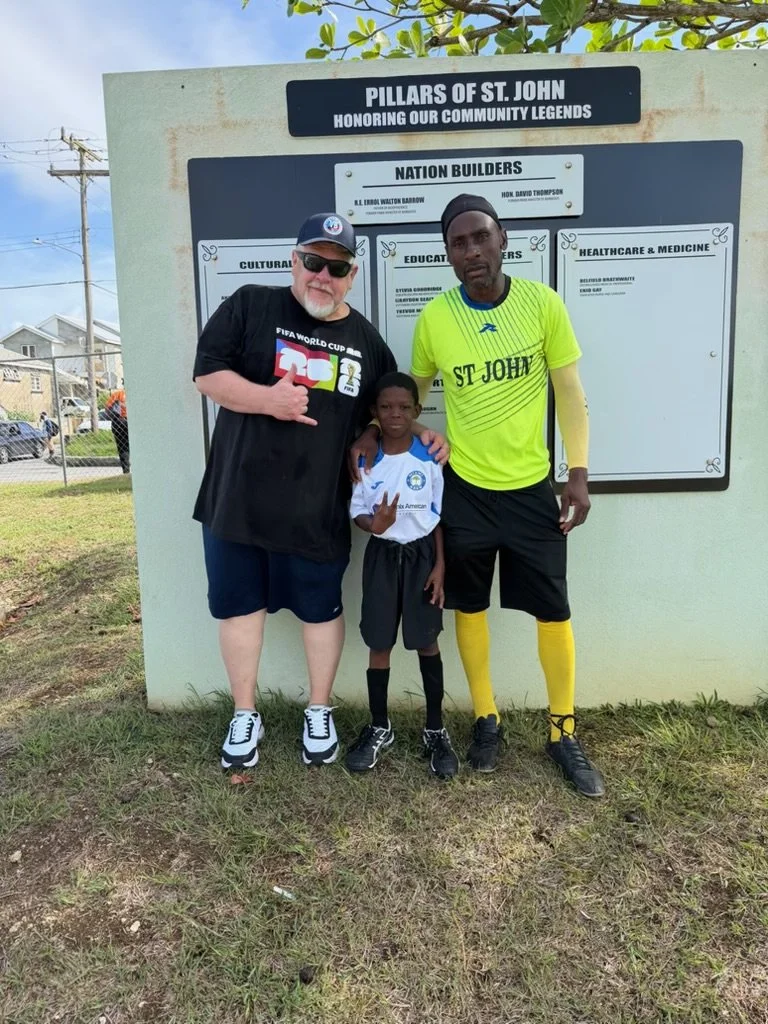
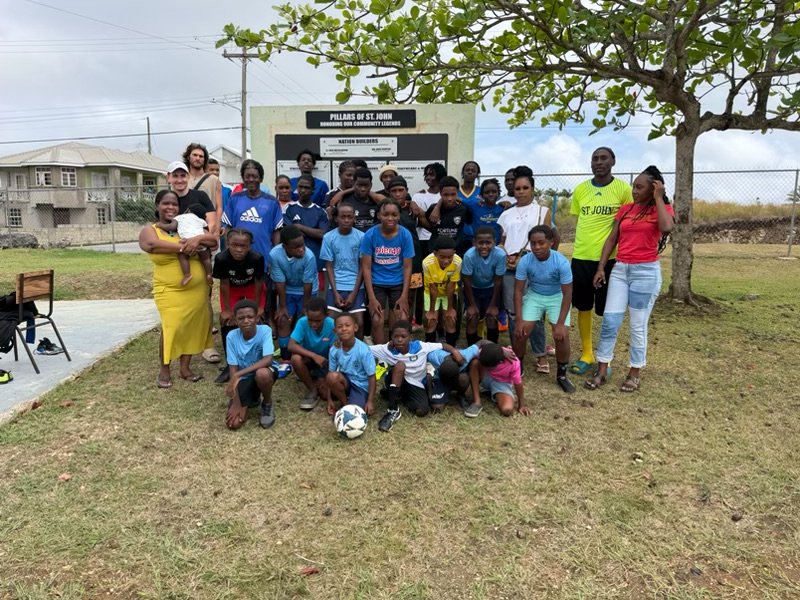
While in Barbados, Dr. Stoffle also led a soccer gear distribution for youth players in St. John Parish. Thanks to the generosity of Applied Heritage and Resource Solutions and Soccer Locker Miami, more than 100 children received jerseys, shorts, and cleats to prepare for the upcoming soccer season. Special recognition goes to the St. John Soccer Club, Coach and former national team player Bernard Howell, Barbados Football Association President Randolph Harris, Nicole Puckerin of the Barbados Football Association, shipping support from Marc Sampson of Windward Agencies Ltd. and Caribconex LLC, and a special shoutout to Evans Vaught who created the partnership for this soccer initiative more than 12 years ago.
At Applied Heritage and Resource Solutions, we are proud to not only share expertise, but also bring meaningful resources to the countries and communities where we work and partner.
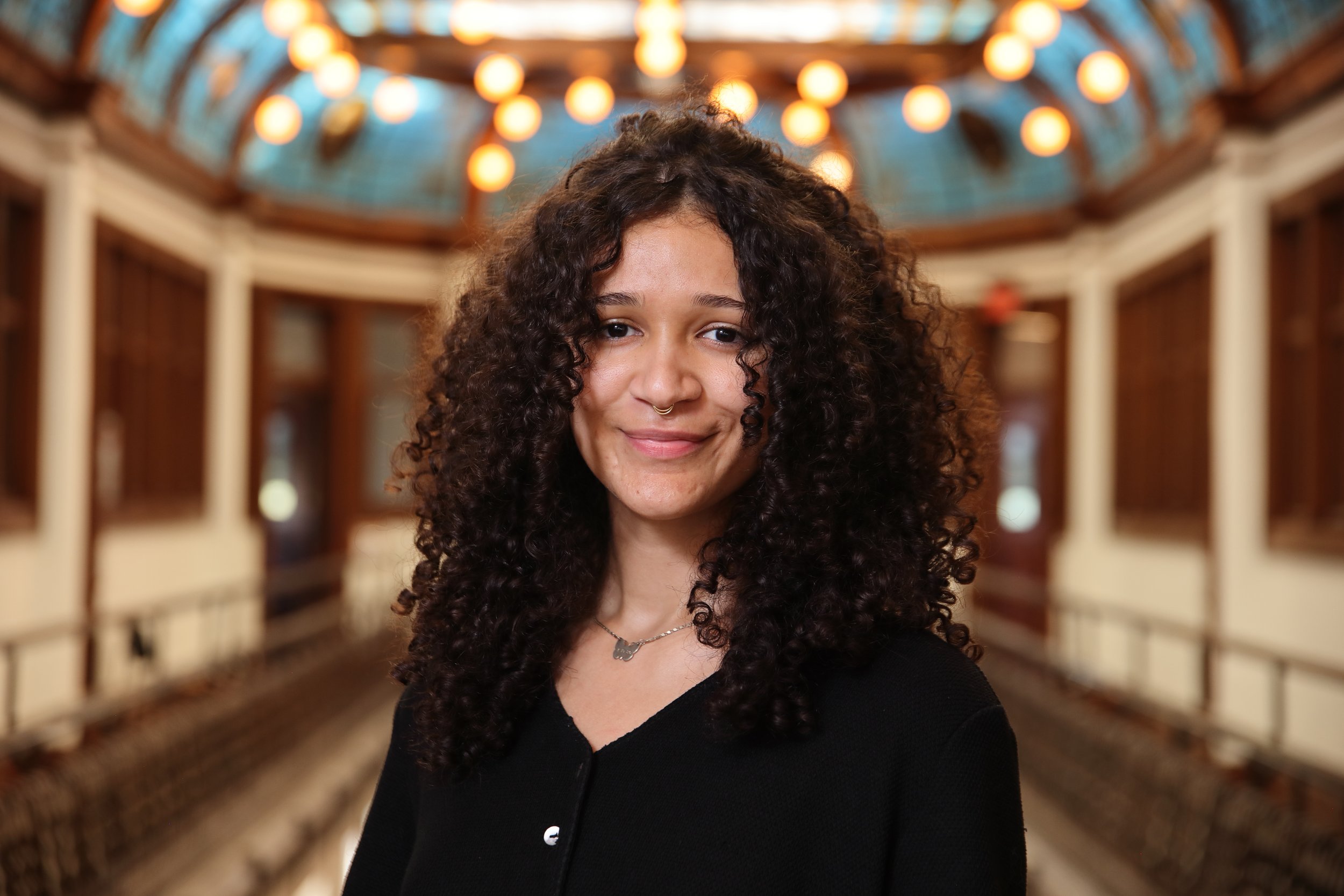
“I realized I wanted to better understand the intersection between human systems and environmental change,” she said. “This opportunity is my fi rst real step into applied anthropology, especially through the lens of Indigenous science and direct community engagement.”
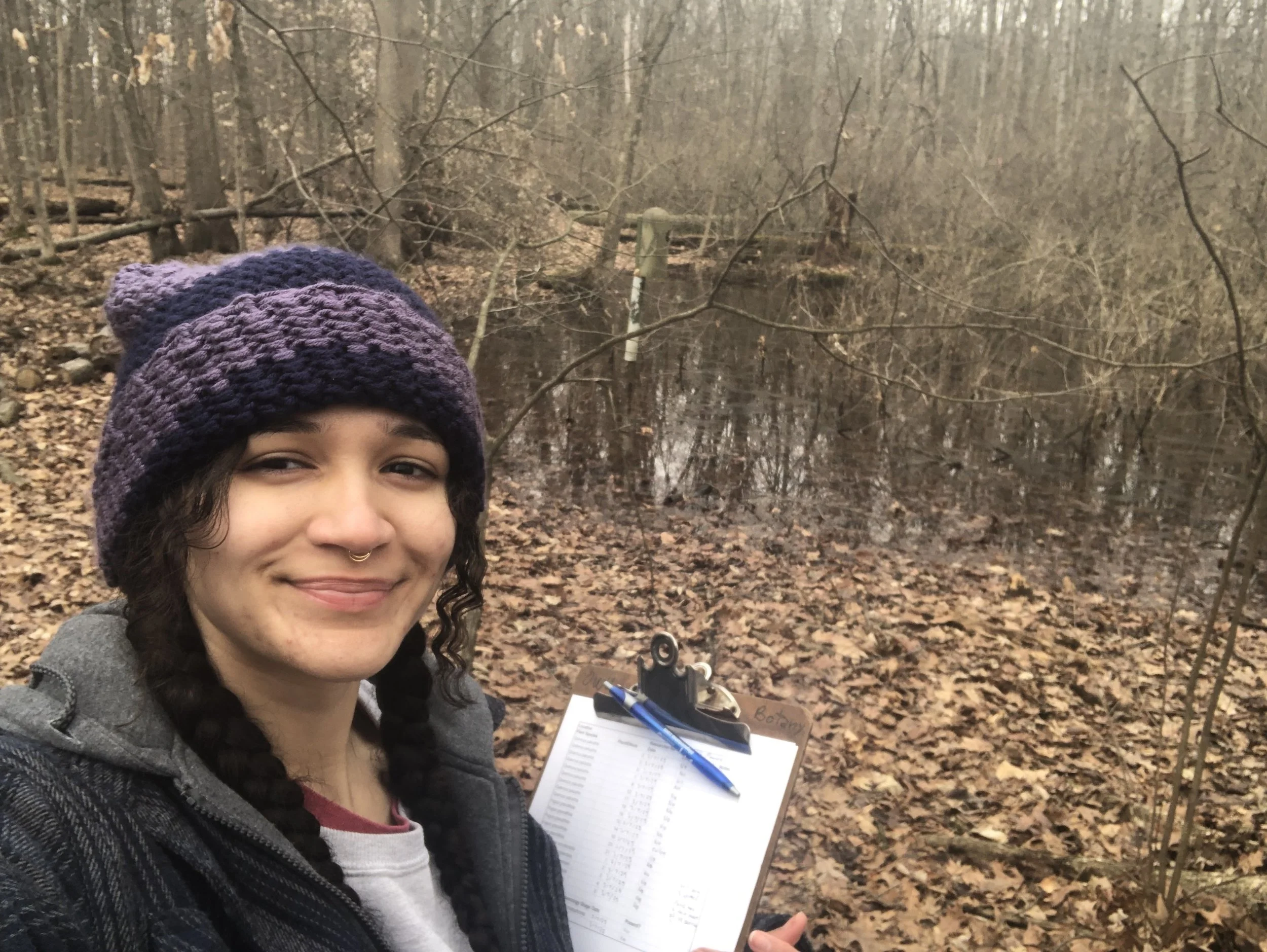
A Conversation That Sparked An Internship
For Ohio Wesleyan University student Camille Mattox, the path to a summer internship opportunity didn’t come from any single class. It began with a conversation about strategies to find and engage in internship opportunities, opening the door to post graduate study and potential careers that incorporate social science and natural resource management.
For Camille this moment was the result of an initial presentation given by Dr. Brent Stoffle, an alumnus of Ohio Wesleyan in the Sociology and Anthropology Department and Principal Researcher at Applied Heritage and Resource Solutions. The seminar introduced students to the role of social science in natural resource management and the rationale for why the two are a natural fit.
For Camille, who is actively pursuing a double major in environmental science and anthropology, the lecture was more than informative -- it was affirming.
Camille stated that this was the first presentation she had ever attended that combined both environmental science and anthropology.
“With both of these as my majors, I was glad to hear about a career that balanced them,” said Camille.
That academic alignment shifted her perspective entirely. What once felt like a “safety net” of having a double major suddenly became a powerful combination with real-world application.
But it wasn’t just the presentation that made the difference. It was what happened next. Camille attended a smaller, more in-depth session, where she was able to ask specific questions and share her interest in finding an opportunity to combine her majors into an internship/research project.
“That meeting encouraged me to actively seek out field experience,” Camille explained. “Brent confirmed that summer would be a great time for it and that my combination of majors would suit programs in applied anthropology. That’s when I began my research with his guidance and leads.”
That single follow-up conversation became the catalyst for pursuing hands-on experience, ultimately leading to an internship through the AquEOUS Fellowship Program’s Intertidal Oyster Aquaculture Project at the University of Maine for the Summer of 2026.
Now, as Camille prepares to enter her summer internship, her academic journey is taking on new depth and clarity. While her environmental science background began with an interest in chemistry focused on water quality, soil systems, and plant communities. It was her later coursework in sociology and anthropology that provided her with a new viewpoint for future career opportunities.
Through this internship, Camille hopes to learn to engage with local communities and stakeholders regarding environmental issues, specifically focusing on their perspectives related to the potential impacts on their communities. Looking back, one lesson stands out above all leading up the internship opportunity: the power of showing up and following up.
“When someone encourages you to connect, it’s important to keep that momentum going,” she reflected. “Networking isn’t a one-time experience. If I had just attended the talk and stopped there, I could be in a completely different place right now.”
Applied Heritage and Resource Solutions, was co-founded by Dr. Stoffle and Dr. Richard Stoffle, to bridge applied expertise and practical governance to empower communities in shaping their futures. They are deeply committed to fostering the next generation of students in applied anthropology, heritage research and environmental management. They mentor students through undergraduate and post-graduate development and identify opportunities to apply classroom learning in real-world settings. This presentation is one of several focused efforts AHRS has completed this past year at colleges and universities throughout the United States and the Caribbean.
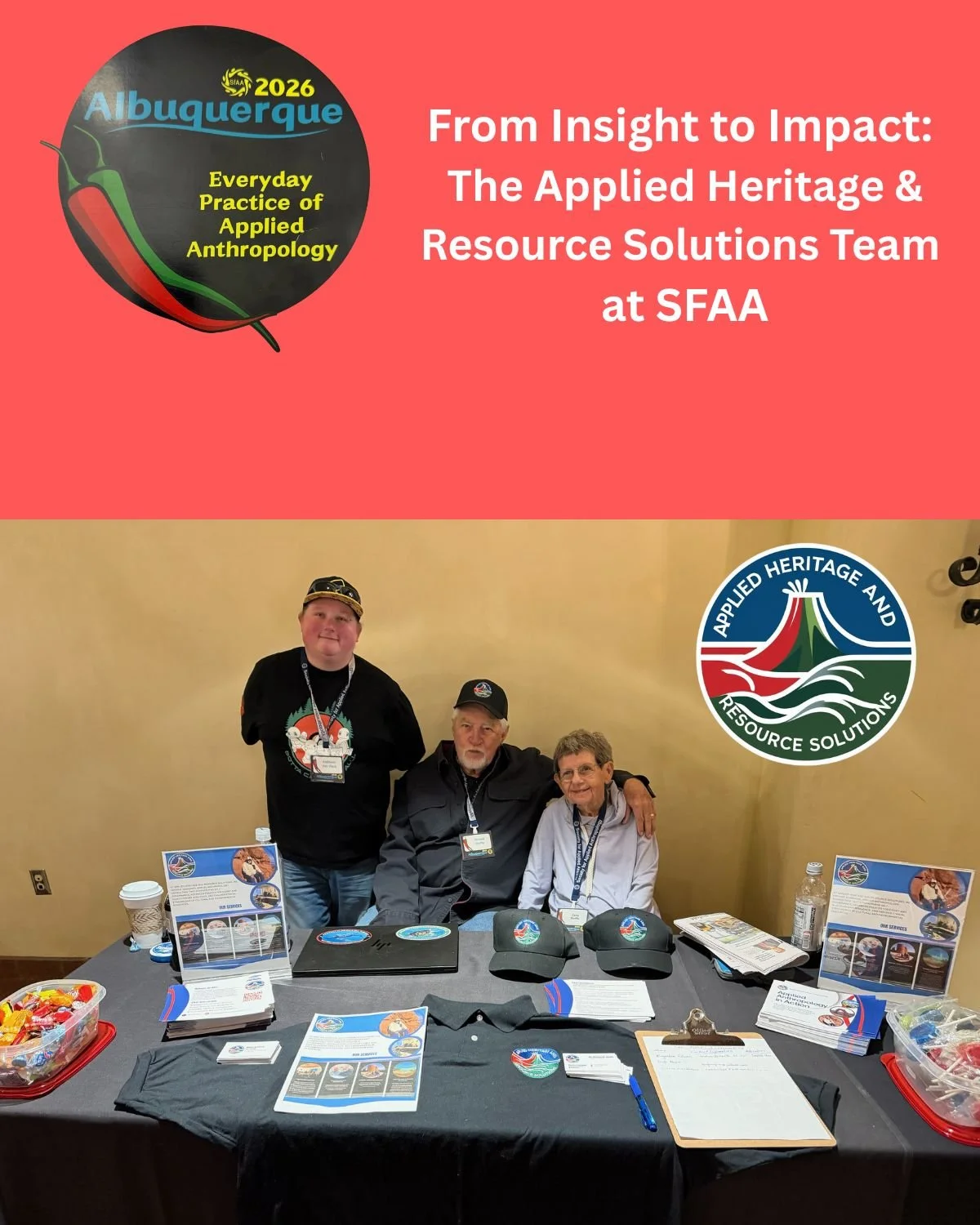
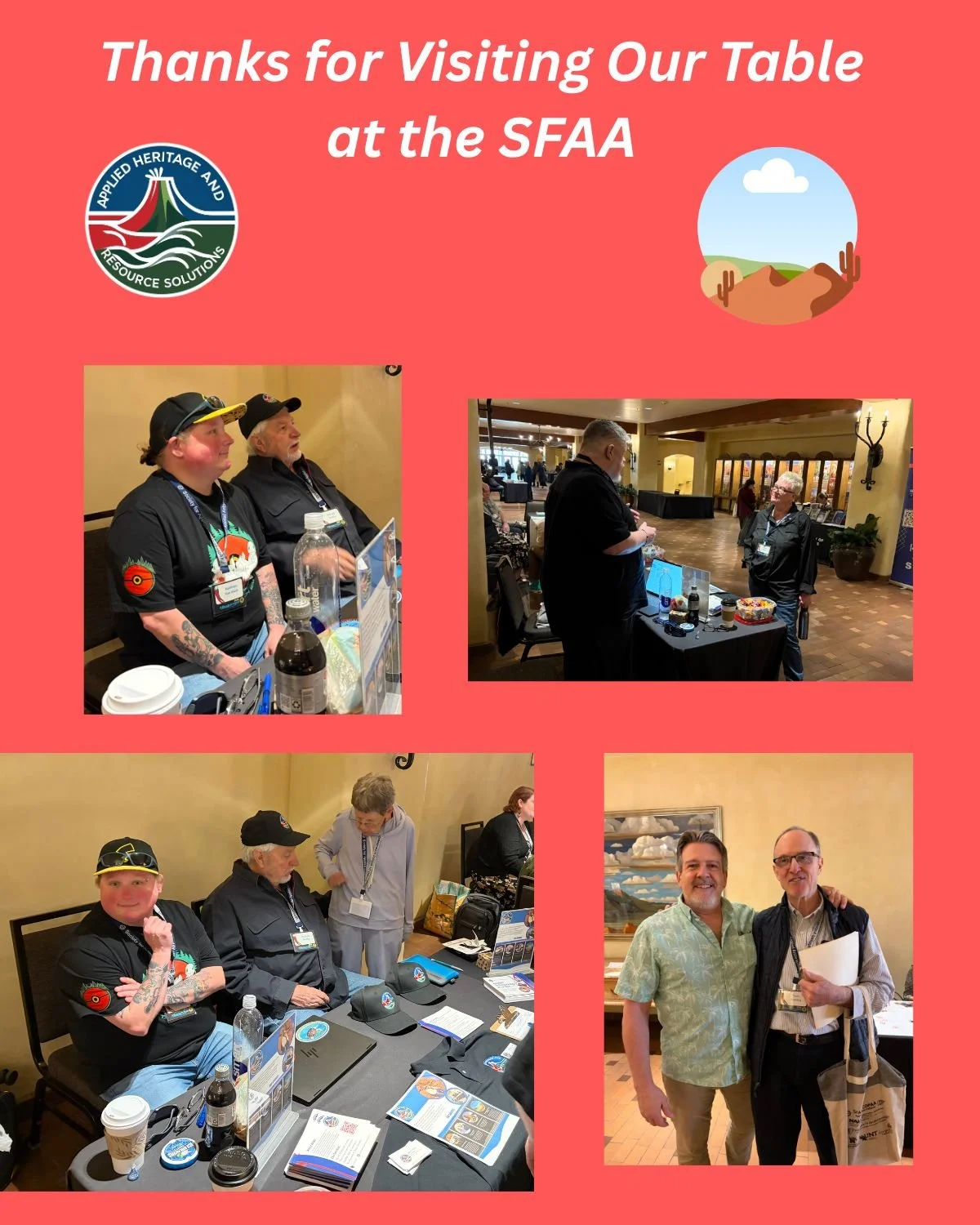
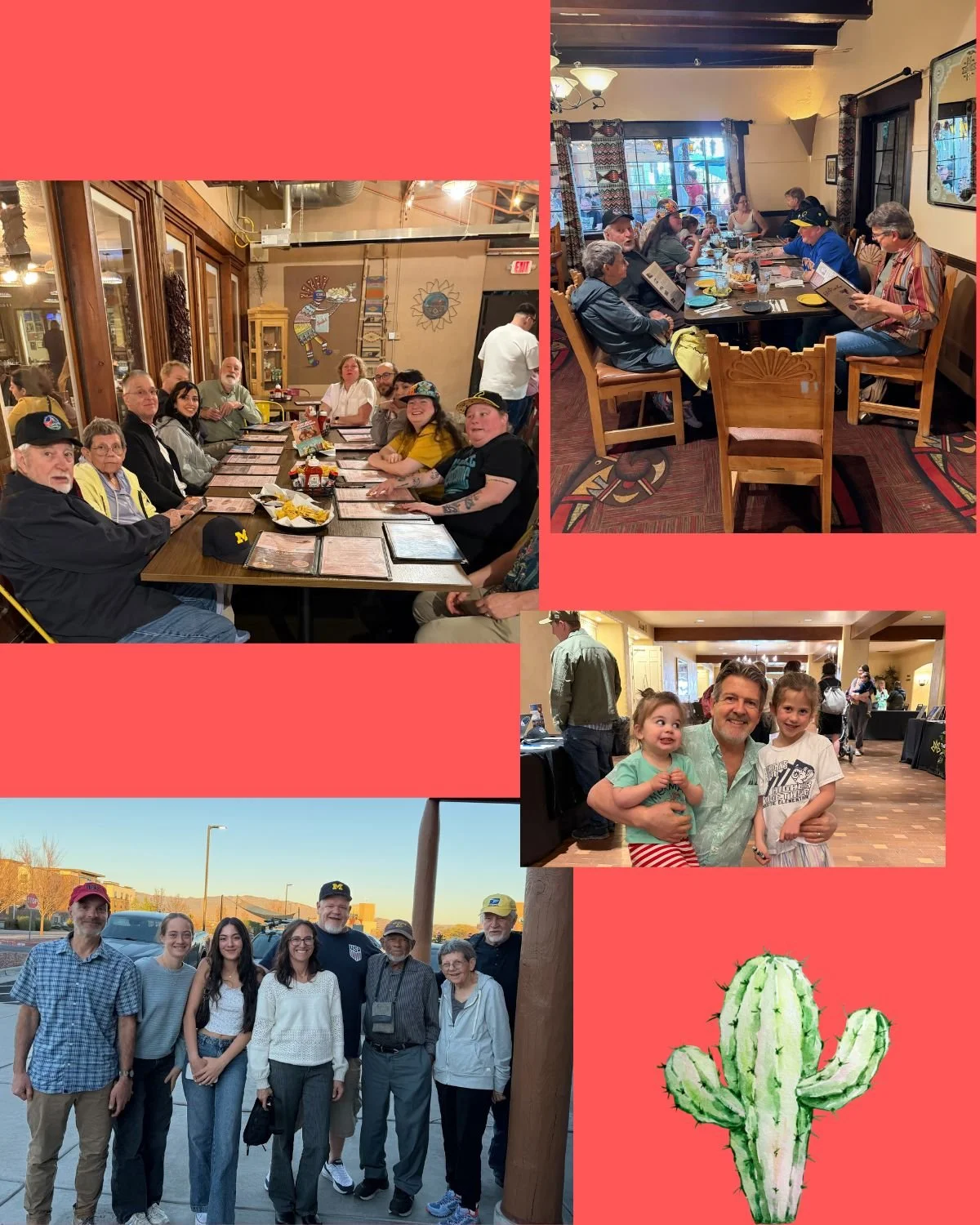
Applied Heritage and Resource Solutions at SFAA 2026
Applied Heritage and Resource Solutions recently participated in the Society for Applied Anthropology (SFAA) 2026 Conference, an inspiring convening that showcased the impact of applied anthropology in shaping communities and informing practice.
Our team led a featured session, Places that Count: Toponym Debates between Native American and Settler Colonial Peoples, sparking meaningful dialogue on identity, history, and the significance of place. Throughout the conference, we engaged with peers, exchanged ideas, and connected with future partners committed to advancing this important work.
We look forward to continuing these conversations and expanding our impact.
Legacy, Landscape, and Lived Knowledge at USF
It was a successful and engaging presentation with the students of the University of South Florida as part of the Trevor W. Purcell Memorial Lecture Series.
Applied Heritage and Resource Solutions is proud to highlight this lecture series, which honors the life and legacy of anthropologist Trevor W. Purcell (1945–2007)—former Chair of the Department of Africana Studies and faculty member in the Department of Anthropology at USF. The series brings together scholars whose work reflects Dr. Purcell’s enduring commitment to public and applied anthropology, Indigenous knowledge systems, development studies, and diversity and inclusion.
As part of the series, Brent Stoffle, a former student of Dr. Purcell, shared his research on Heritage Littoral Landscapes in African Ancestry Communities of Bath Plantation Lands, St. John, Barbados. His presentation drew from decades of collaborative, community-based research highlighting the power of long-term scholarship and the importance of lived knowledge in understanding heritage landscapes.
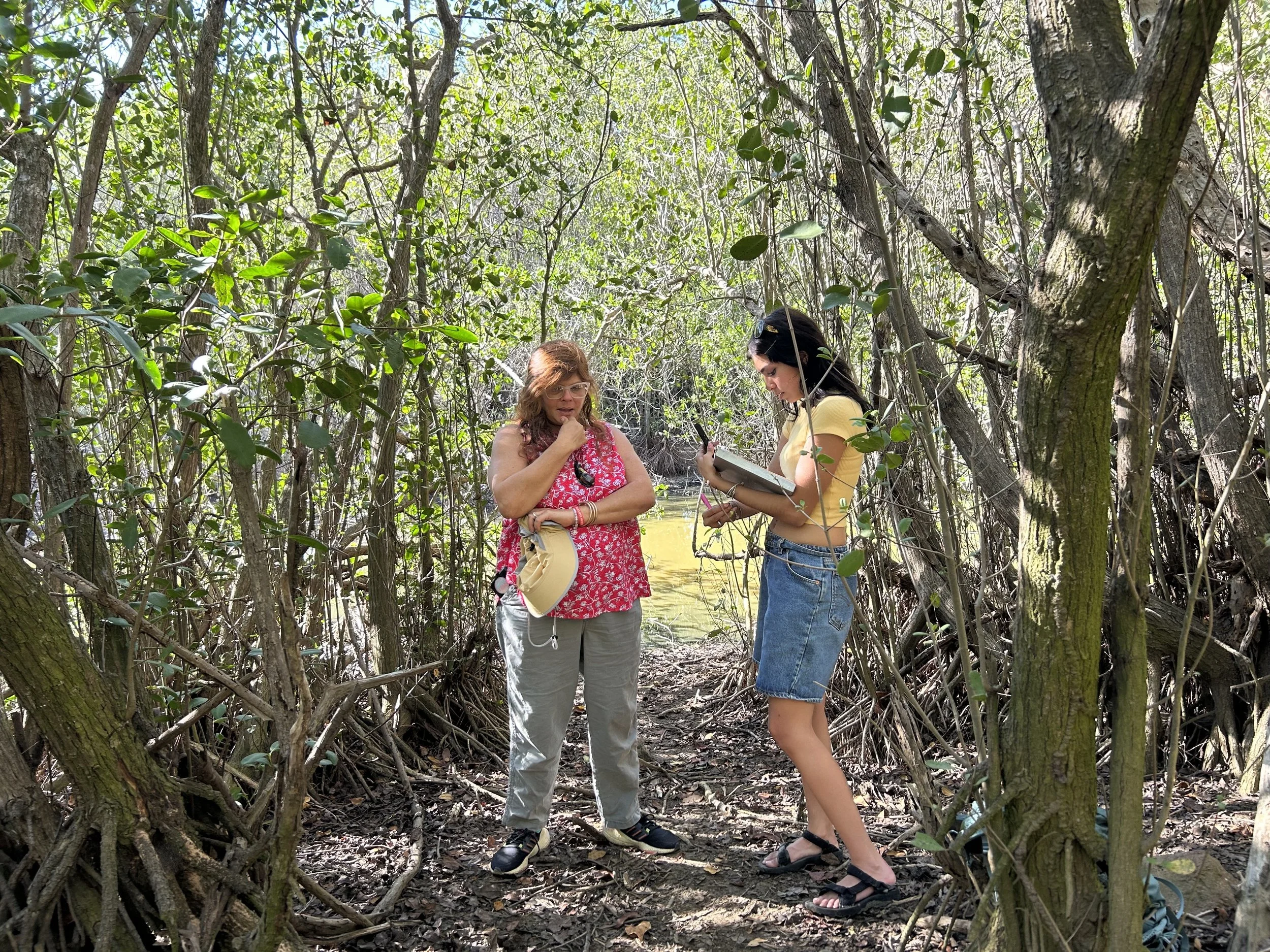
Ethnobotany Study: In the Field
It’s a wrap on Phase 2 of the Ethnobotany Study in Culebra, where Research Assistants Kate Payne and Britsy Lozolla Rizo completed important field research and engaged in meaningful cultural conversations with community members. This work documented powerful oral histories that capture lived knowledge of how island habitats have evolved over time, elevating community voices as a critical part of environmental and cultural research. What an incredible opportunity to learn and connect—we look forward to sharing our findings from this study soon, proudly supported by Applied Heritage and Resource Solutions.
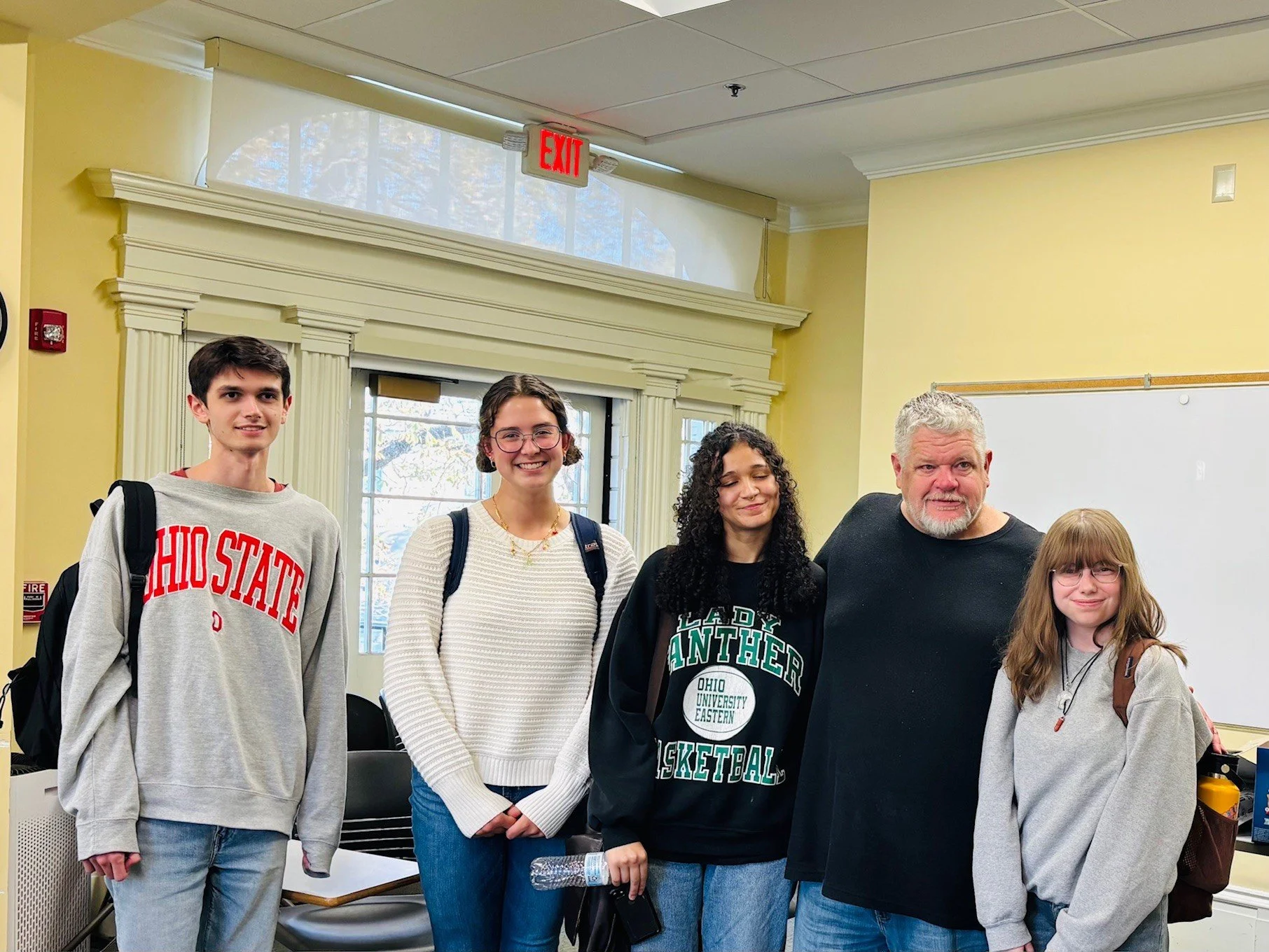
Ohio Wesleyan Alumnus Brent Stoffle ’91 Inspires Students with Career Pathways in Environment and Society
Students interested in the environment and SOAN found inspiration in a recent guest lecture by Ohio Wesleyan University alumnus Brent Stoffle ’91, who returned to campus to present “Internship, Research, & Mentoring Opportunities for Careers in Environment and Society.”
Held on Monday, October 20, in SCSC Room 211, the talk highlighted pathways that connect environmental interests with careers in society and applied research. The event was very successful and well received, with students engaging thoughtfully and expressing strong interest in the opportunities and mentorship discussed.