
New Perspectives on Siting Controversy
Gumslöv, Sweden | May 17–20, 2001
Presenter: Richard Stoffle, University of Arizona
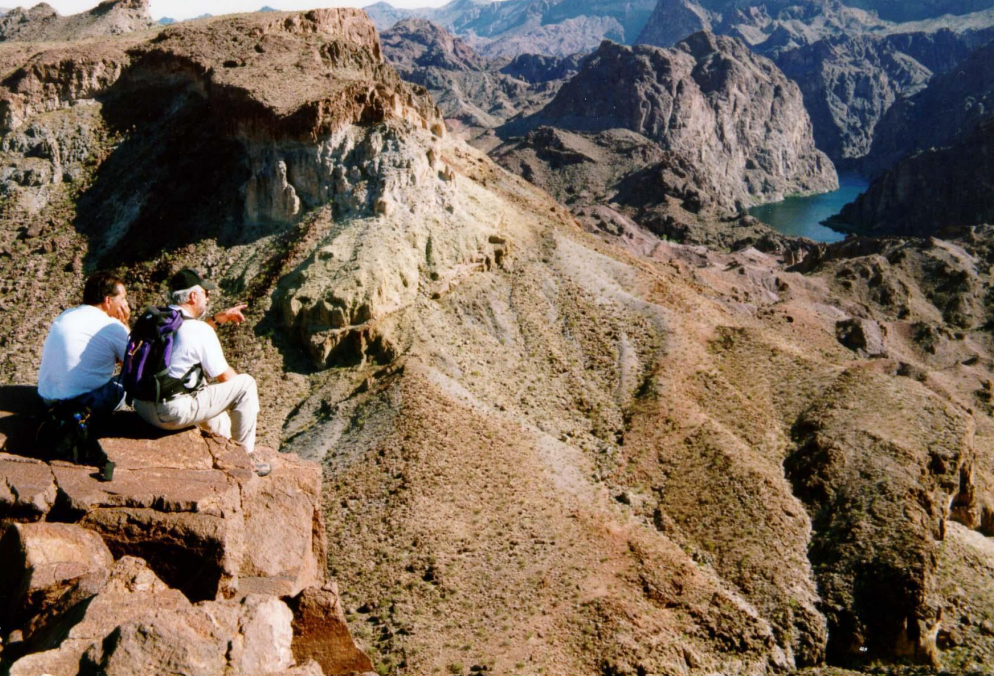
Shifting Risks: Hoover Dam Bridge Impacts on American Indian Sacred Landscapes
In this presentation, prepared for an international conference on risk assessment and facility siting, Dr. Richard Stoffle shared pivotal findings from the Hoover Dam Ethnographic Studies. His talk explored how large-scale infrastructure projects—specifically the Hoover Dam bypass bridge—reshape cultural risk, alter sacred landscapes, and deeply affect the traditional relationships American Indian communities hold with their ancestral homelands. By introducing Indigenous perspectives into discussions typically dominated by engineering and environmental considerations, this presentation highlighted the need for culturally informed siting decisions that respect sacred places and community wellbeing.
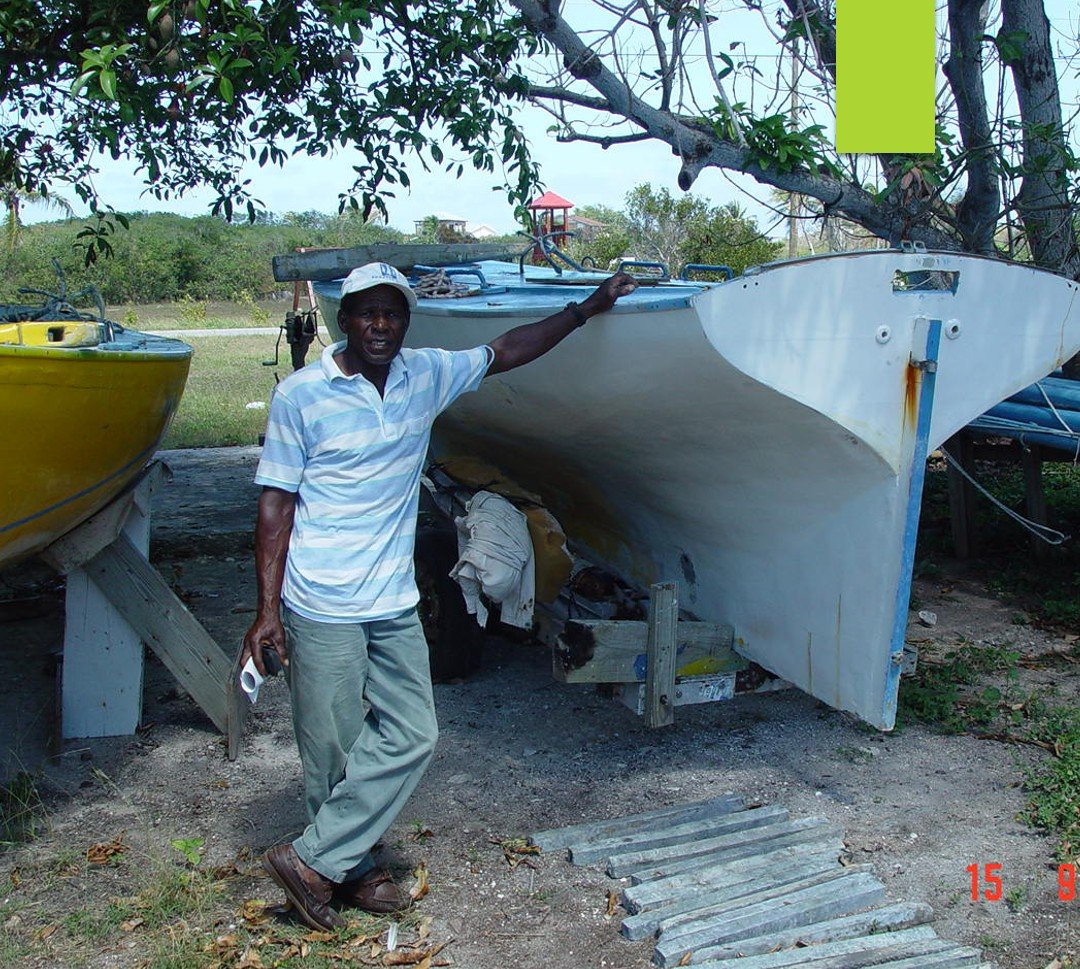
As the Sea Rises: Climate Change and Heritage Resilience on SIDS in the Caribbean
Presented by Dr. Kathleen Van Vlack, Living Heritage Research Council, and Dr. Richard Stoffle, University of Arizona
February 2021
This presentation explores how Small Island Developing States (SIDS) in the Caribbean are confronting the intertwined challenges of climate change and cultural heritage preservation. Drawing from years of ethnographic and applied research, Dr. Van Vlack and Dr. Stoffle examine how coastal communities adapt to rising seas while maintaining deep connections to ancestral lands, seascapes, and cultural traditions.
The discussion highlights community-based resilience strategies that honor local knowledge, sustain cultural identity, and promote adaptive governance. Through case studies and lived experiences, the presenters demonstrate that safeguarding heritage in the face of climate change is not only about protecting the past—but ensuring cultural continuity for future generations.
Native Voices in National Parks
By Dr. Richard W. Stoffle
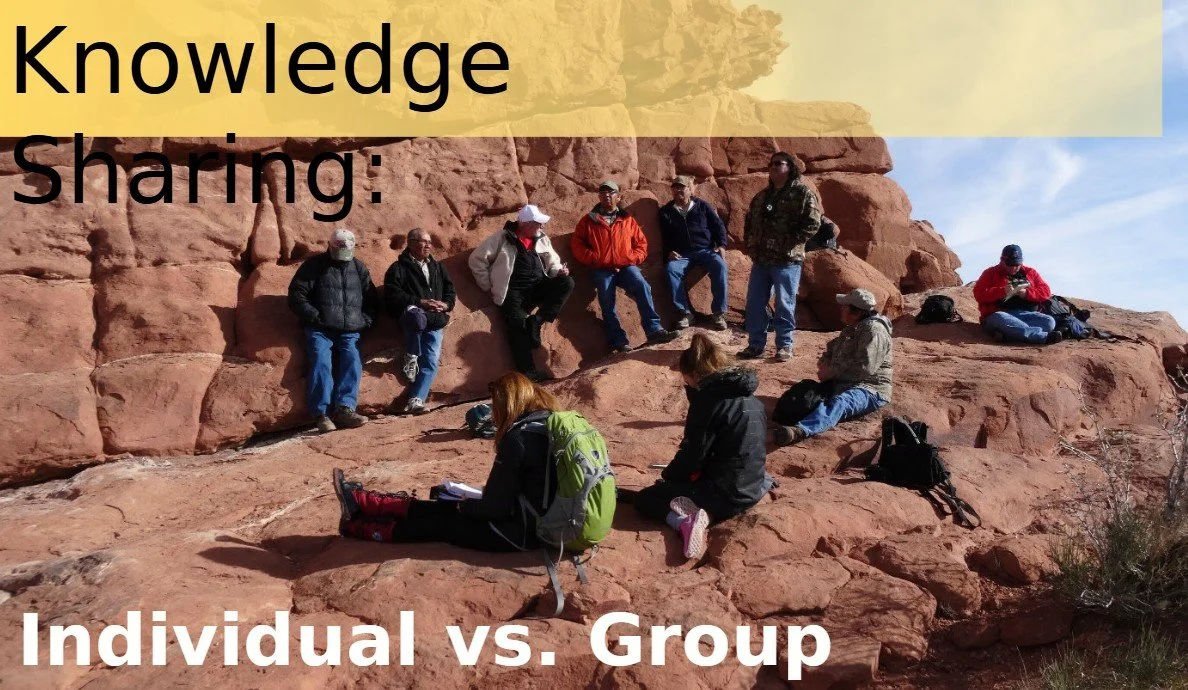
Native American communities are increasingly reconnecting with their ancestral lands, sacred resources, and cultural objects through formal consultation processes. In this presentation, Dr. Richard W. Stoffle discusses how applied anthropologists play a pivotal role in facilitating these reconnections by producing high-quality ethnographic and ethnohistorical studies that guide decision-making for both land managers and tribal governments.
Focusing on three recent Ethnographic Overview and Assessment (EOA) projects—at Arches National Park, Canyonlands National Park, and Hovenweep National Monument—this talk illustrates how collaborative research has reshaped the National Park Service’s public interpretation, storytelling, and management practices. These efforts ensure that Native voices are not only represented but centered in how America’s national parks share the living histories of the Indigenous peoples who continue to steward these landscapes today..

Ethnographic Overviews & Assessments
Being on the Land — Talking and Listening
This presentation, shared during the National Park Service event in Blanding, Utah at the Edge of the Cedars Museum (May 3–4, 2023), highlights the deep connections Native communities hold with their traditional lands. Through conversations, listening sessions, and time spent on the landscape, the project explores Indigenous perceptions of place, histories of occupation and use, and culturally informed guidance for stewardship.
The goal is to support the NPS in integrating Native knowledge into visitor education and resource management across the surrounding parks and monuments—ensuring these lands are understood, respected, and cared for through a lens grounded in longstanding cultural relationships.
Advancing Equity and Environmental Justice in Underserved Communities:
A Case Study of Heritage Littoral Landscapes in Barbados
Dr. Brent Stoffle — Ohio Wesleyan University, October 20, 2025
This presentation explores how equity and environmental justice principles can be applied to preserve and empower coastal communities with deep cultural and historical connections to the sea. Drawing on two decades of ethnographic research in Barbados, Dr. Brent Stoffle examines “heritage littoral landscapes”—cultural zones along the shore where identity, livelihood, and ecology intersect.
Through this case study, the presentation highlights how community knowledge, historical continuity, and participatory management can strengthen resilience in underserved coastal regions. It calls for inclusive, justice-centered approaches that recognize the cultural heritage embedded in marine and coastal environments as a foundation for sustainable development.
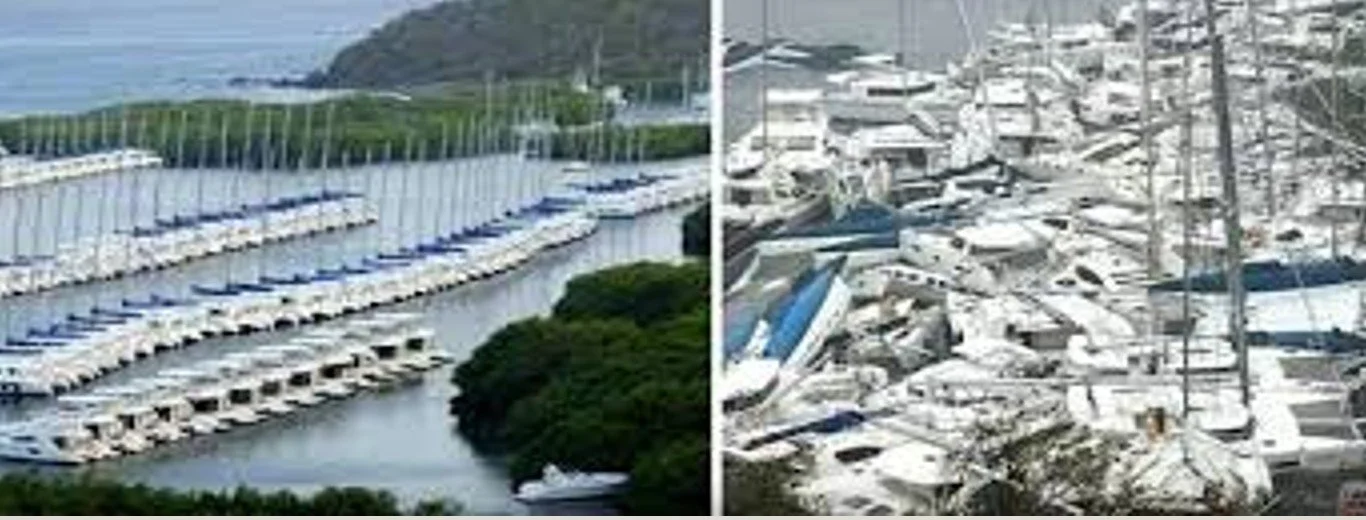
In the Wake of Two Storms: An Examination of Hurricanes Irma and Maria on the St. Croix and St. Thomas Fisheries, U.S. Virgin Islands
Dr. Brent Stoffle & Ms. Amanda Stoltz
In September 2017, two back-to-back Category 5 hurricanes—Irma and Maria—devastated the U.S. Virgin Islands, leaving widespread destruction across St. Croix and St. Thomas. This presentation examines the profound social, economic, and ecological impacts of these storms on local fisheries and the fishers who depend on them.
Through interviews, field observations, and community engagement, researchers documented massive losses in power and infrastructure, disruptions to commercial and for-hire fishing operations, and the adaptive role that fishers played in local recovery efforts. The findings highlight both the vulnerability and resilience of coastal communities whose livelihoods are deeply tied to the sea, offering important insights for future disaster preparedness and sustainable fisheries management in the Caribbean.